Home / News / Industry news / Choosing the Right Swimwear Fabric: What Wholesale Buyers Need to Know
2026-04-15
Content
When it comes to athletic and aquatic apparel, performance begins long before any design or cut is finalized — it starts with the fabric. Whether you are sourcing activewear fabric for yoga wear, sportswear fabric for team uniforms, or swimwear fabric for competitive or leisure swimsuits, the material you choose determines how the final garment performs under stress, washes, and wear. A poorly selected fabric can lead to product returns, athlete complaints, and brand damage. Choosing the right fabric, on the other hand, directly translates into customer satisfaction, durability, and market competitiveness.
QIDA, established in 1998 and operating as a leading wholesale swimwear fabric company and sportswear fabric factory in China, has built over two decades of expertise in this space. With more than 200 million invested in technological upgrades and equipment imported from Germany, South Korea, and Taiwan, QIDA produces over 30,000 tons of fabric per year — making it one of the most capable bulk swimwear fabric suppliers in the global market.
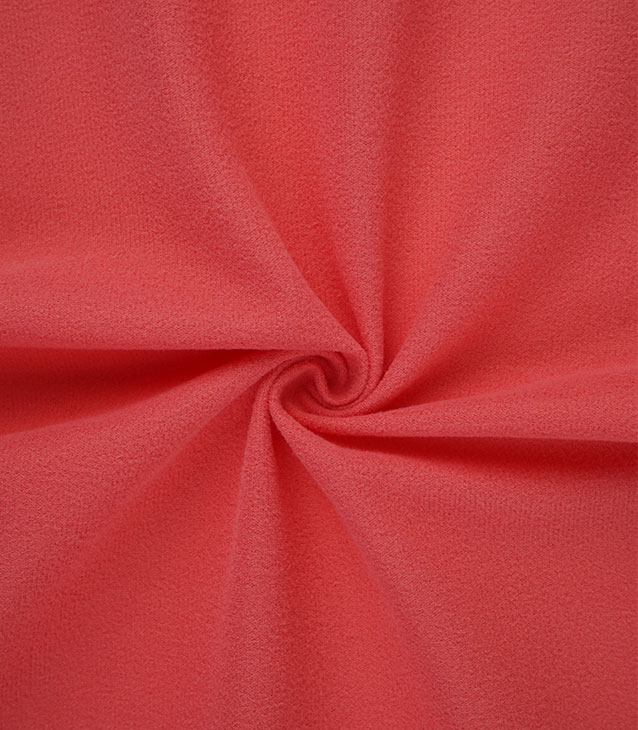
Activewear fabric must perform across a wide range of physical activities, from low-intensity yoga to high-impact running and CrossFit. The demands are multidimensional: the fabric must stretch, breathe, wick moisture, and recover its shape repeatedly without degrading. Below are the most critical properties buyers and designers should evaluate:
QIDA's circular knitting machines — 100 in total — are used to produce a wide range of activewear fabric structures including jersey, interlock, and mesh fabrics, offering buyers flexible MOQ options and customizable GSM weights.
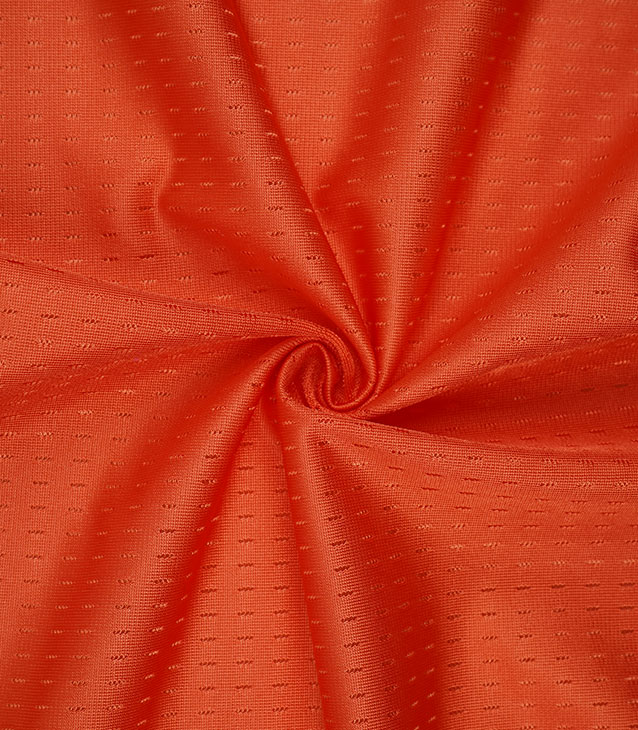
Sportswear fabric serves a broader category that includes team uniforms, tracksuits, training gear, and outwear for competitive sport. Compared to general activewear, sportswear fabric often requires additional technical specifications such as anti-pill resistance, UV protection, and compliance with sport-specific standards. Football jerseys, for example, must be lightweight and fast-drying, while cycling kits require aerodynamic fabrics with minimal surface friction.
| Fabric Type | Fiber Composition | Best For |
| Warp Knit Mesh | 100% Polyester | Team jerseys, breathable panels |
| Tricot Warp Knit | Nylon / Spandex Blend | Compression tights, leggings |
| Double Knit | Polyester / Elastane | Tracksuits, training jackets |
| Jacquard Knit | Mixed fiber | Fashion sportswear, branded apparel |
QIDA operates 62 Karl Mayer warp knitting machines and 22 warping machines, enabling precise production of technical sportswear fabric with consistent width, tension, and weight. This level of machinery scale is rare among mid-tier suppliers and ensures that large wholesale orders meet uniform quality standards — a critical requirement for sports apparel brands sourcing in bulk.
Swimwear fabric operates in one of the harshest textile environments — constant exposure to chlorine, saltwater, UV radiation, and physical abrasion from pool surfaces. This makes swimwear fabric selection far more technical than most apparel categories. A fabric that looks beautiful in the showroom may degrade rapidly after only a few swim sessions if it lacks the proper chemical resistance and fiber structure.
When sourcing bulk swimwear fabric for production, manufacturers should verify the following technical parameters before committing to a supplier:
As a specialized wholesale swimwear fabric company, QIDA supplies bulk swimwear fabric to brands across Italy, Brazil, Mexico, and Russia — markets known for demanding quality standards in competitive and fashion swimwear. The combination of Karl Mayer warp knit technology and in-house elasticizer equipment (6 machines) allows QIDA to engineer swimwear fabric with consistent tension and superior elastomeric properties.
For brands and manufacturers sourcing activewear fabric, sportswear fabric, or swimwear fabric at scale, production reliability is as important as material quality. A supplier that cannot maintain consistent output across large orders creates supply chain risk, delayed production, and ultimately missed market windows. QIDA's infrastructure is specifically designed to eliminate these bottlenecks.
With a total annual output exceeding 30,000 tons of fabric, QIDA functions as a full-cycle fabric factory — from yarn preparation through knitting, dyeing, finishing, and quality control. The factory's investment in equipment from Germany, South Korea, and Taiwan ensures that production meets international technical standards, while the breadth of machinery supports simultaneous production of multiple fabric categories without cross-contamination of orders.
In addition to performance fabrics, QIDA also produces mattress ticking, sofa fabric, fashion fabric, and non-woven fabric across two spun-bonded and one meltblown production lines — making it a versatile partner for buyers who source multiple textile categories from a single supplier.
Selecting the correct fabric type for your product line requires a clear understanding of end-use requirements. Mismatches between fabric spec and garment function are one of the most common and costly errors in activewear and swimwear production. The table below offers a simplified matching guide to help buyers begin their sourcing process:
| Product Category | Recommended Fabric Type | Key Specification Priority |
| Yoga & Pilates Wear | Activewear Fabric (Nylon/Spandex) | Stretch recovery, softness, opacity |
| Team Sports Uniforms | Sportswear Fabric (Polyester Mesh) | Moisture wicking, breathability, durability |
| Competitive Swimwear | Swimwear Fabric (Warp Knit Lycra) | Chlorine resistance, drag reduction, UPF |
| Casual / Fashion Swimwear | Bulk Swimwear Fabric (Printed Knit) | Color vibrancy, shape retention, hand feel |
| Outdoor Training Gear | Sportswear Fabric (UV-resistant knit) | UPF rating, wind resistance, moisture control |
By working directly with an experienced sportswear fabric factory like QIDA, buyers gain access to technical expertise that goes beyond a product catalog. QIDA's team can advise on fiber blends, GSM options, and finishing treatments to ensure the selected fabric aligns precisely with the garment's intended function and target market.
Whether you are a startup activewear brand or an established swimwear manufacturer scaling production, working with a wholesale fabric supplier requires more than just comparing price sheets. Several practical factors should guide your sourcing decision:
The global market for performance fabric continues to expand as consumer demand for functional, stylish, and sustainable apparel grows. Partnering with a well-equipped wholesale swimwear fabric company and sportswear fabric factory like QIDA gives brands a stable, scalable supply foundation to meet that demand — season after season.

27th floor , South building, 1358# Mingzhu North Road, Changxing County Zhejiang province, China

+86-13665757726

+86-0572-6228207

+86-0572-6228207


Copyright © ZHEJIANG QIDA TEXTILE CO., LTD. Rights Reserved. Activewear Fabric Suppliers Sportswear Fabric Manufacturers



 English
 中文简体
中文简体