Home / News / Industry news / Weft Knitted Fabric Guide: What Apparel Brands Need to Know Before Sourcing
2026-04-15
Content
In the competitive landscape of modern textile sourcing, weft knitted fabric has established itself as one of the most versatile and commercially relevant materials available to apparel manufacturers. Unlike woven fabrics, weft knitting interlocks yarn horizontally across the fabric width, creating a structure that inherently stretches in multiple directions. This characteristic makes it exceptionally well-suited for applications where fit, comfort, and freedom of movement are priorities — from everyday fashion garments to technical activewear.
The appeal of weft knitted fabric extends across market segments. Fashion brands value it for its ability to drape beautifully and conform to the body without the rigidity of woven construction. Activewear designers rely on it for its elasticity and recovery, which allows garments to move with the body and return to their original shape after repeated wear and washing. For manufacturers looking to serve both markets from a single fabric platform, weft knitted constructions offer unmatched flexibility in design and function.
To make informed sourcing decisions, it helps to understand how weft knitting works at a structural level. In weft knitting, a single yarn or a set of yarns runs horizontally and forms loops that interlock with the row above. This loop-based architecture is what gives weft knitted fabric its characteristic stretch and recovery. It also makes the fabric relatively soft against the skin, since there are no rigid intersecting threads as in woven structures.
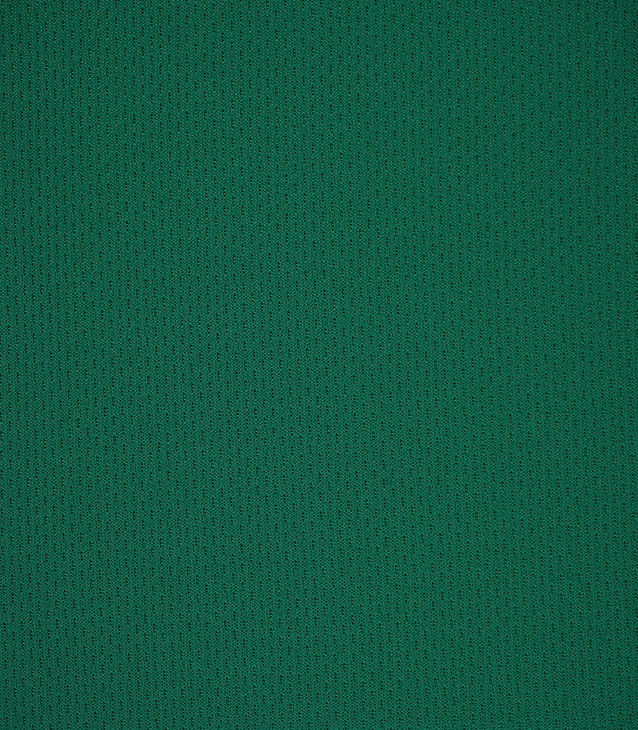
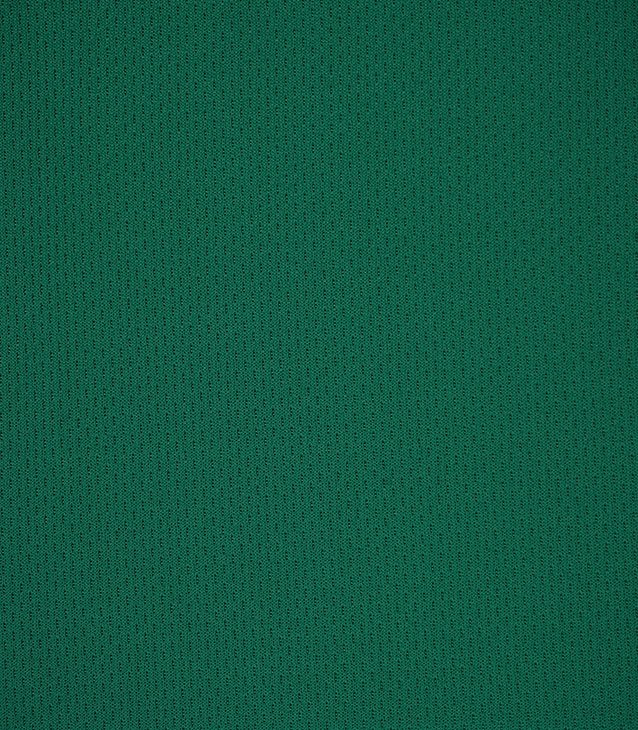
The tension, loop density, and yarn fiber all influence the final fabric's weight, hand feel, and performance. A tightly knitted interlock construction produces a smooth, dense surface that holds its shape well — ideal for structured fashion garments. A more open, looser knit, such as a mesh construction, increases breathability and reduces weight, making it a preferred choice for sportswear and activewear panels that need ventilation during physical activity.
The fiber composition of weft knitted fabric plays a significant role in determining its end-use suitability. Common fiber blends used in weft knitting include:
Not all weft knitted fabrics are created equal. Different knitting constructions produce dramatically different fabric characteristics, which means selecting the right type for your specific product category is essential to achieving the right result. The following table outlines the most commonly used weft knitted fabric types and their primary applications:
| Fabric Type | Key Characteristics | Ideal Applications |
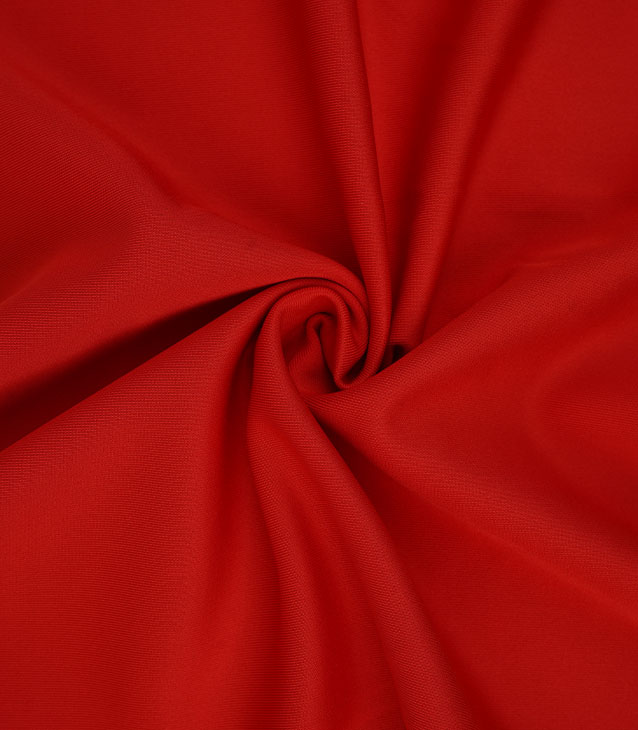
| Interlock | Smooth both sides, stable, dense | T-shirts, dresses, structured fashion tops |
| Scuba | Thick, structured, wrinkle-resistant | Bodycon dresses, skirts, formal fashion wear |
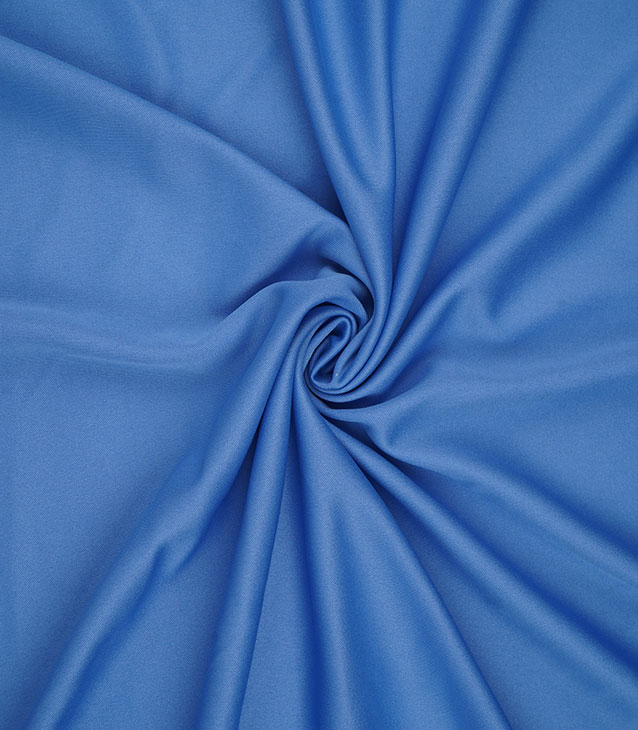
| Single Jersey | Lightweight, stretchy, soft | Casual tops, innerwear, everyday apparel |
| Mesh / Open Knit | Highly breathable, open structure | Activewear panels, sportswear, layering pieces |
| French Terry | Looped interior, smooth exterior | Sweatshirts, joggers, casual activewear |
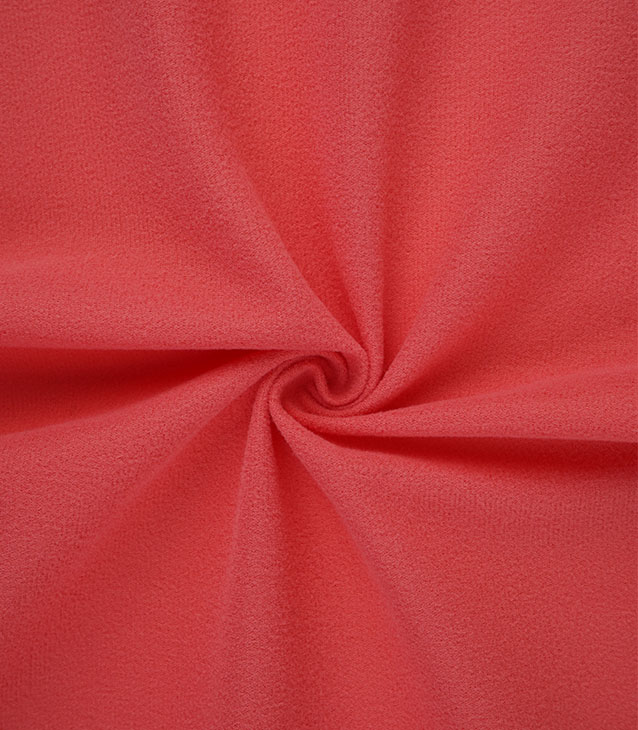
| Fleece Knit | Raised pile, insulating, soft | Outerwear, cold-weather activewear, hoodies |
Each of these weft knitted fabric types serves a distinct design purpose. Scuba fabric, for instance, has become a staple in fashion collections due to its body-sculpting structure and resistance to creasing — properties that make it ideal for tailored fashion silhouettes without requiring woven interfacing. Mesh, by contrast, thrives in activewear environments where thermal regulation is more important than structure.
The fashion industry has embraced weft knitted fabric across a wide spectrum of styles and price points. At the mass market level, single jersey and cotton-blend knits dominate casual fashion collections due to their affordability, ease of care, and universal comfort appeal. At the premium and designer end, fabrics like jacquard-patterned weft knits and fine viscose blends allow for sophisticated surface detailing and luxurious drape that elevates knitwear into statement fashion pieces.
One of the most commercially significant advantages of weft knitted fabric in fashion is its ability to accommodate digital and reactive printing. The smooth surfaces of interlock and scuba fabrics, in particular, accept sublimation and pigment printing with high color fidelity, enabling fashion brands to produce bold prints and all-over graphics without sacrificing the garment's stretch and comfort. This has made weft knitted constructions a go-to substrate for contemporary fashion collections that prioritize both visual impact and wearability.
Shape retention is another critical advantage for fashion applications. Well-constructed weft knitted fabric maintains its dimensions and texture after frequent washing, which directly affects the perceived quality and longevity of the finished garment. Buyers and brands should request wash-test data from suppliers — specifically looking for less than 5% shrinkage after five wash cycles at 40°C — before committing to bulk production.
Activewear imposes a different and more demanding set of requirements on fabric than fashion. In this context, weft knitted fabric must balance stretch and recovery, moisture management, durability under stress, and in many cases UV resistance or anti-odor properties. The good news is that weft knitting's inherent structural flexibility makes it well-positioned to meet these demands — provided the right fiber blend and knitting density are selected.
When evaluating weft knitted fabric for activewear production, manufacturers should assess the following performance parameters:
Mesh constructions in weft knitted fabric are particularly valuable in activewear for their ability to create targeted ventilation zones in garments like running vests, training shorts, and yoga tops. By strategically placing open-knit panels in high heat zones — such as the back, underarms, or side seams — designers can significantly improve thermal comfort without adding weight or compromising the garment's overall structure.
One of the most compelling reasons to work with a specialized weft knitted fabric supplier is access to customization — the ability to develop fabric specifications that align precisely with your brand's technical and aesthetic requirements. Generic off-the-shelf fabrics may be cost-effective for entry-level production, but they rarely deliver the differentiation needed to stand out in crowded fashion or activewear markets.
Customization in weft knitted fabric can take many forms. GSM (grams per square meter) adjustments allow designers to control the weight and opacity of the fabric — a 180 GSM jersey feels lightweight and breathable, while a 280 GSM interlock offers more coverage and a premium hand feel. Loop density modifications can alter surface texture, ranging from a silky smooth finish to a subtly textured appearance that adds visual depth to fashion garments.
Fiber blend customization is another powerful tool. Working directly with a knitting factory to develop proprietary blends — such as a nylon-polyester-spandex tri-blend for activewear — can produce fabrics with performance profiles that are difficult to replicate from standard stock. Similarly, custom finishing treatments such as anti-pilling coatings, moisture-management finishes, or soft-touch processes can further enhance the fabric's commercial appeal without requiring changes to the base knit structure.
Whether you are developing a capsule fashion collection, scaling an activewear line, or entering a new product category, a well-chosen weft knitted fabric — properly specified, tested, and produced at consistent quality — forms the foundation of a garment that performs, sells, and satisfies the end consumer season after season.

27th floor , South building, 1358# Mingzhu North Road, Changxing County Zhejiang province, China

+86-13665757726

+86-0572-6228207

+86-0572-6228207


Copyright © ZHEJIANG QIDA TEXTILE CO., LTD. Rights Reserved. Activewear Fabric Suppliers Sportswear Fabric Manufacturers



 English
 中文简体
中文简体