Why Fabric Weight and GSM Matter More Than You Think in Swimwear
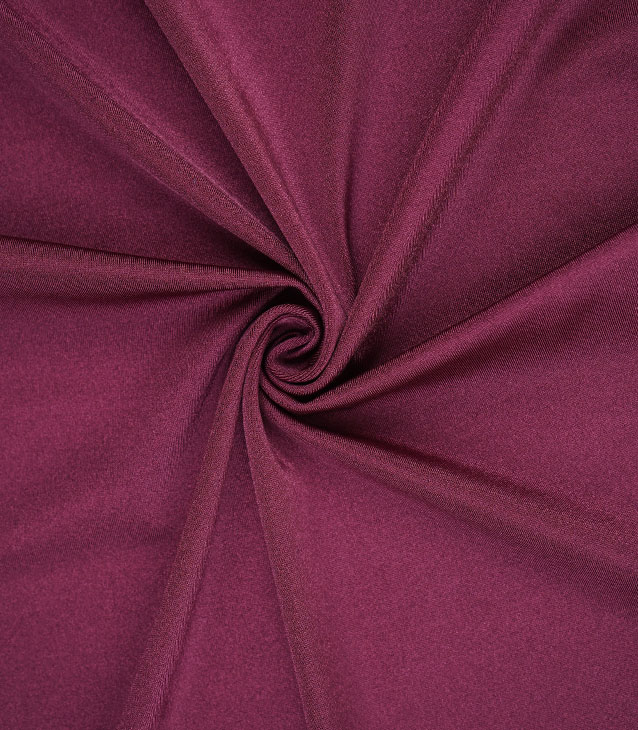
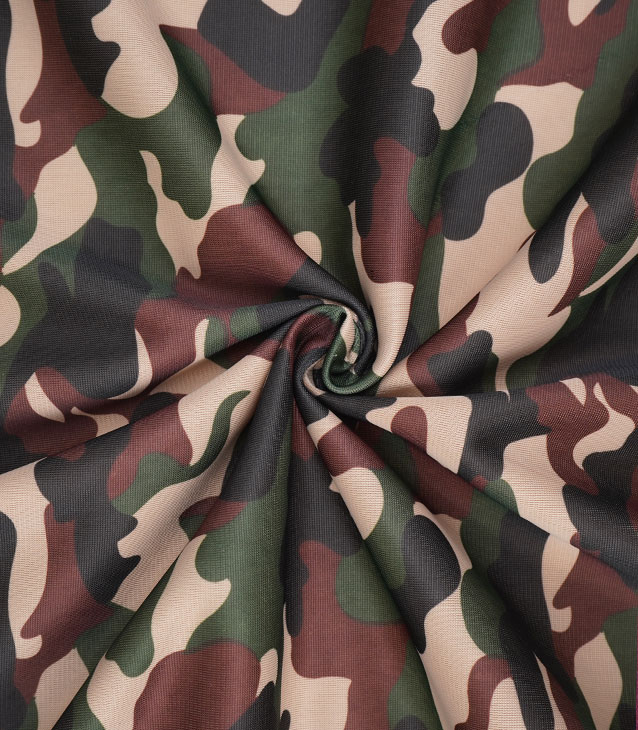
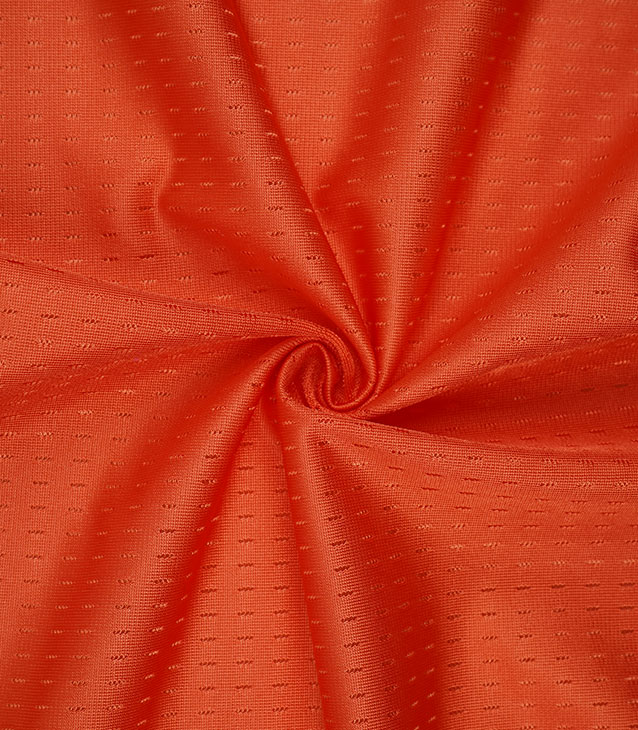
When sourcing Swimwear Fabric, GSM (grams per square meter) is one of the most consequential specifications — yet it's frequently underestimated by buyers focused primarily on color or print. For competitive swimwear, fabrics in the 170–200 GSM range offer the ideal balance between compression support and hydrodynamic performance. Lighter constructions reduce drag and allow greater freedom of movement, while heavier fabrics deliver shape retention over extended use and UV exposure.
The relationship between GSM and chlorine resistance is equally important. Lower-density fabrics tend to absorb more pool chemicals, causing fiber degradation faster. Warp-knitted structures — produced on Karl Mayer machines — yield tighter loop geometries that limit chemical absorption compared to circular-knit alternatives, extending the garment's functional lifespan by a significant margin.
Beyond pool performance, GSM influences dye uptake and color vibrancy. Heavier fabrics require longer fixation cycles but produce deeper, more saturated colors that hold up through repeated washing. For fashion swimwear collections where visual impact is the priority, this trade-off is worth factoring into your sourcing decision from the start.
Fiber Blends in Activewear Fabric: What Each Component Actually Contributes
The performance characteristics of Activewear Fabric are determined largely by the ratio and interaction of its fiber components. Understanding what each material brings to the blend helps buyers make more informed decisions for specific end uses.
| Fiber |
Primary Contribution |
Limitations |
Typical Blend Range |
| Nylon (Polyamide) |
Durability, abrasion resistance, soft hand feel |
Higher cost, lower UV resistance alone |
70–82% |
| Spandex (Elastane) |
4-way stretch, shape recovery, compression |
Degrades under chlorine/UV if unprotected |
18–30% |
| Polyester |
Moisture-wicking, UV stability, color fastness |
Stiffer hand feel than nylon |
70–85% (in polyester-spandex blends) |
| Recycled PET |
Sustainability credentials, comparable performance to virgin polyester |
Slight variation in consistency between batches |
50–100% of polyester component |
Common fiber components in activewear and swimwear fabric blends and their functional roles
One frequently overlooked factor is spandex yarn denier. Coarser spandex (e.g., 140D) delivers firmer compression suited to athletic training wear, while finer denier (20D–40D) produces softer, more natural drape appropriate for yoga or lifestyle activewear. Specifying denier at the sourcing stage — rather than relying solely on stretch percentage — gives buyers much finer control over the final garment's feel and support profile.
Warp Knitting vs. Circular Knitting: Choosing the Right Construction for Sportswear
The knitting method fundamentally shapes the mechanical behavior of Sportswear Fabric, and the two dominant technologies — warp knitting and circular knitting — are not interchangeable. As a factory operating 62 Karl Mayer warp knitting machines, QIDA produces warp-knit structures that are particularly well-suited to performance-critical applications where dimensional stability under repeated stress is non-negotiable.
Warp knitting interlocks yarns in a longitudinal direction, creating a fabric that resists horizontal distortion even under high tensile loads. This makes it the preferred construction for competitive swimwear, cycling shorts, compression garments, and any application where the fabric must return precisely to its original dimensions after stretching. The structure also supports finer surface textures and sharper printed patterns, which is why it dominates in fashion swimwear as well.
Circular knitting, by contrast, produces a more isotropic stretch — the fabric extends in multiple directions more evenly — making it better suited to casual activewear, T-shirts, and lifestyle pieces where multi-directional flexibility is prioritized over precise shape recovery. The production economics of circular knitting are also different: it typically allows faster output of wide-width fabric but with less control over fine structural details.
Key questions to guide your selection:
- Does the garment require controlled compression in a specific direction, or general all-over stretch?
- Will the fabric be subjected to repeated chlorine or UV exposure (favors warp knit)?
- Is a printed design involved — and how fine and sharp does it need to be?
- What is the target cost bracket, and what volume is required?
Functional Finishes That Extend the Performance Life of Swimwear and Activewear
Raw fabric performance represents only part of the final product equation. Chemical and mechanical finishes applied post-knitting can dramatically extend functional lifespan, improve wearer comfort, and open up new end-use markets. Understanding which finishes align with your product requirements helps prevent costly mismatches between specification and application.
Chlorine-Resistant Finishing
Standard spandex degrades rapidly in chlorinated water. Chlorine-resistant treatments — typically silicone-based or applied via a co-polymer coating — encapsulate the elastane fibers and significantly reduce oxidative attack. Fabrics with this treatment tested at 200 hours of chlorine exposure (AATCC 162 protocol) retain stretch recovery values above 90%, compared to under 60% for untreated equivalents. This finish is now considered baseline for any fabric targeting competitive or frequent recreational swimming.
Moisture Management and Quick-Dry Treatments
Hydrophilic finishes modify the surface tension of synthetic fibers, accelerating lateral wicking and evaporation. For Activewear Fabric targeting high-intensity use, these finishes reduce surface moisture residency time from over 40 minutes to under 10 minutes in controlled tests. The key distinction buyers should verify is whether the finish is durable (bonded into the fiber structure and surviving 50+ wash cycles) or topical (applied to the surface, typically lasting only 10–15 washes before degrading).
UPF Treatments
Ultraviolet Protection Factor (UPF) finishes are increasingly requested for beach and outdoor activewear. Titanium dioxide and zinc oxide-based treatments are the most common commercially available options, with well-applied formulations achieving UPF 50+ ratings. Buyers should request test certification to AS/NZS 4399 or AATCC 183 rather than relying solely on factory claims, as the finish quality varies significantly across suppliers. It is worth noting that tighter fabric constructions — such as those produced on warp knitting equipment — inherently achieve higher baseline UPF values even without chemical treatment, reducing the finish load required.



 English
 中文简体
中文简体