2026-05-12
Content
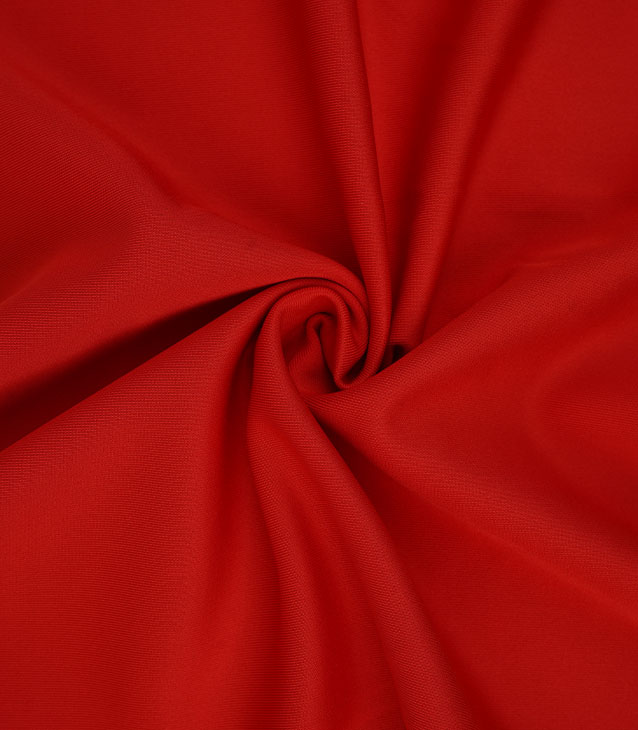
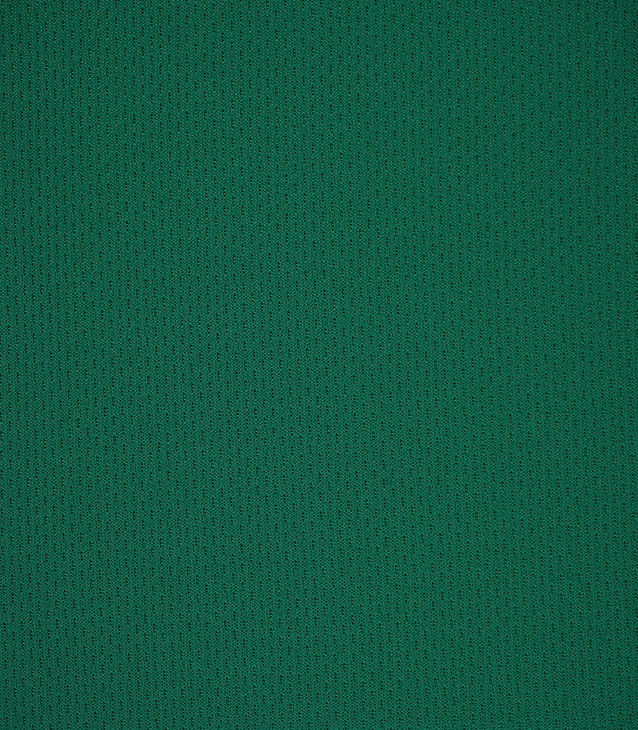
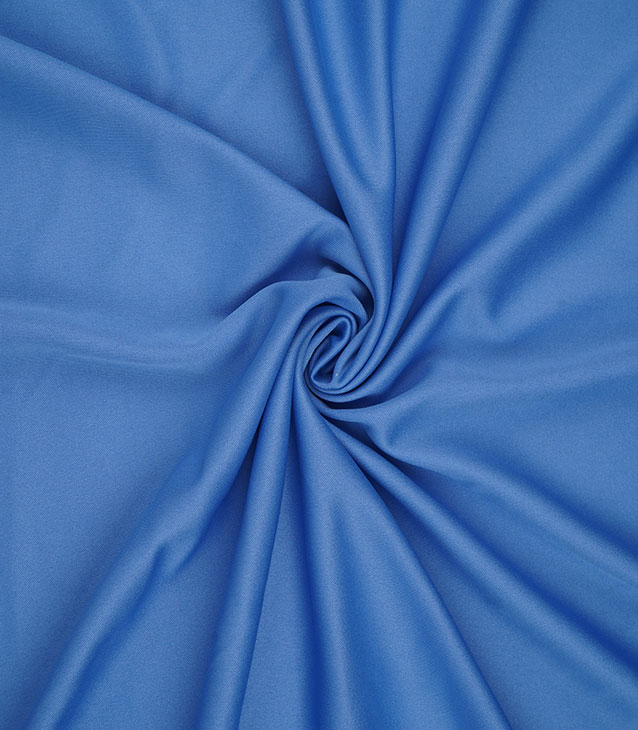
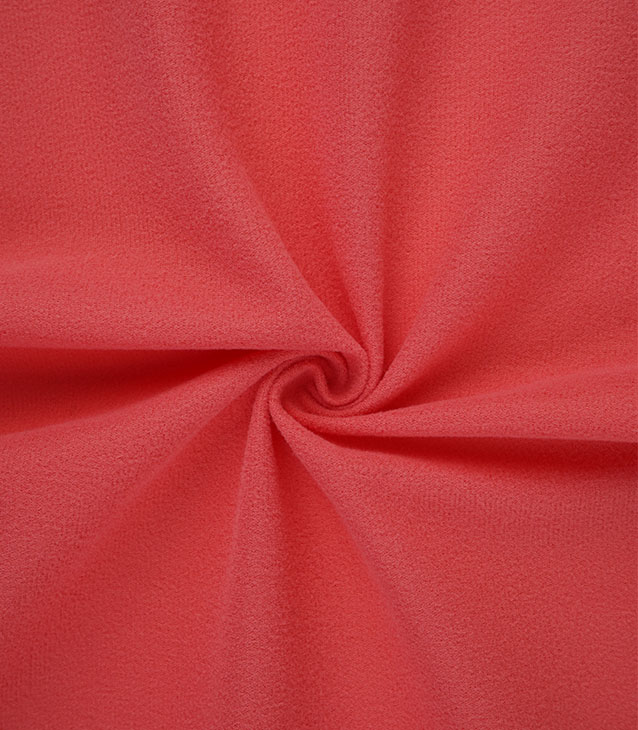
Not all stretch fabrics are built the same. Weft Knitted Scuba Fabric occupies a distinct position in the textile market because it delivers a combination of properties that most single-fiber or standard knit constructions cannot replicate: a dense, smooth texture, meaningful structural body, reliable stretch recovery, and a clean surface that photographs and wears exceptionally well. Understanding what sets it apart from alternatives like jersey, ponte, or neoprene helps buyers and designers make more informed sourcing decisions.
The weft knit construction—where yarn loops run horizontally across the fabric width—gives scuba its characteristic stability. Unlike warp knit fabrics, which can feel stiffer and less forgiving, weft knitting produces a structure that stretches in multiple directions while snapping back to its original dimensions. The polyester-spandex blend most commonly used in scuba fabric amplifies this behavior: polyester contributes the smooth surface and durability, while spandex provides the elastomeric recovery that keeps garments fitting correctly after repeated wear and washing.
Surface quality is one of the most underappreciated factors in fabric selection, yet it directly determines how a finished garment looks on the body and in product photography. The smooth texture of Weft Knitted Scuba Fabric is not simply a tactile feature—it has functional consequences across the entire production and wear cycle.
When cutting and sewing, a smooth, dense surface reduces the risk of thread snags, needle deflection, and uneven seam tension. Scuba's tight loop structure means the fabric does not fray at cut edges the way woven textiles do, which simplifies construction and reduces the need for overlock finishing on interior seams. This is particularly valuable for manufacturers working with structured silhouettes—panel seams lie flat rather than rolling or puckering, producing a cleaner interior finish.
On the body, a smooth texture creates a uniform surface that reflects light evenly, giving garments a polished, sophisticated appearance. This is why scuba is consistently chosen for bodycon dresses, fitted skirts, and structured jumpsuits where surface irregularities—common in ponte or ribbed knits—would detract from the silhouette. The matte, uniform finish of weft knitted scuba also makes it particularly well-suited for bold solid colors and minimalist design aesthetics, where the fabric surface itself serves as the primary visual statement.
The defining functional characteristic of Weft Knitted Scuba Fabric in apparel applications is its ability to produce genuinely form-fitting garments—pieces that contour to the body without compressing uncomfortably or losing shape under movement. This is achieved through a specific balance of fabric weight, stretch percentage, and recovery strength that distinguishes scuba from lighter, more pliable knits.
Typical weft knitted scuba fabric delivers weft stretch in the range of 40–50% and warp stretch of approximately 25–35%. This asymmetric stretch profile is intentional: it allows garments to conform to curves and accommodate movement while resisting excessive elongation that would compromise the garment's silhouette. The spandex content—usually between 5% and 10% of the total blend—provides the elastic memory that pulls the fabric back into position after each stretch cycle.
For designers, the form-fitting nature of scuba fabric means pattern pieces can be cut closer to body measurements than would be possible with woven fabrics, where ease allowances are non-negotiable. The fabric's own stretch compensates for fit variation, making it more forgiving across a range of body shapes and reducing the need for extensive size-specific grading in production runs.
Common applications where form-fitting performance is essential include:
Wrinkle resistance is one of the most commercially significant properties of Weft Knitted Scuba Fabric, and it is often the deciding factor for buyers who source for retail, e-commerce, or travel-oriented apparel lines. Unlike woven fabrics—including many natural fiber options—scuba does not compress and crease under pressure, which means garments maintain their appearance throughout shipping, display, and wear without requiring ironing or steaming at the point of sale.
The wrinkle resistance of scuba fabric comes directly from its construction and fiber composition. Polyester fibers have a high degree of molecular rigidity, meaning they return to their original orientation after being compressed rather than retaining the distorted shape that causes visible creasing. The dense weft knit loop structure distributes mechanical stress across a wider area, preventing localized fold lines from forming. When the fabric is folded or bunched—during transit, for example—the loops flex rather than break, and the surface rebounds when unfolded.
For wholesale and manufacturing buyers, wrinkle resistance reduces handling costs at multiple stages. Garments packed flat or folded in bulk shipments arrive shelf-ready, eliminating the need for steaming stations or quality inspection delays caused by presentation issues. For e-commerce sellers, this means product photography remains accurate to what customers receive, reducing return rates driven by appearance discrepancies. For end consumers, particularly those buying workwear or occasion dresses, a fabric that looks freshly pressed after being stored folded in a suitcase represents a genuine functional benefit.
| Fabric Type | Wrinkle Resistance | Stretch Recovery | Smooth Texture | Form-Fitting |
|---|---|---|---|---|
| Weft Knitted Scuba | Excellent | Excellent | Excellent | Excellent |
| Ponte Knit | Good | Good | Moderate | Good |
| Jersey Knit | Moderate | Moderate | Good | Moderate |
| Woven Polyester | Good | None | Good | Poor |
| Cotton Spandex | Poor | Moderate | Moderate | Good |
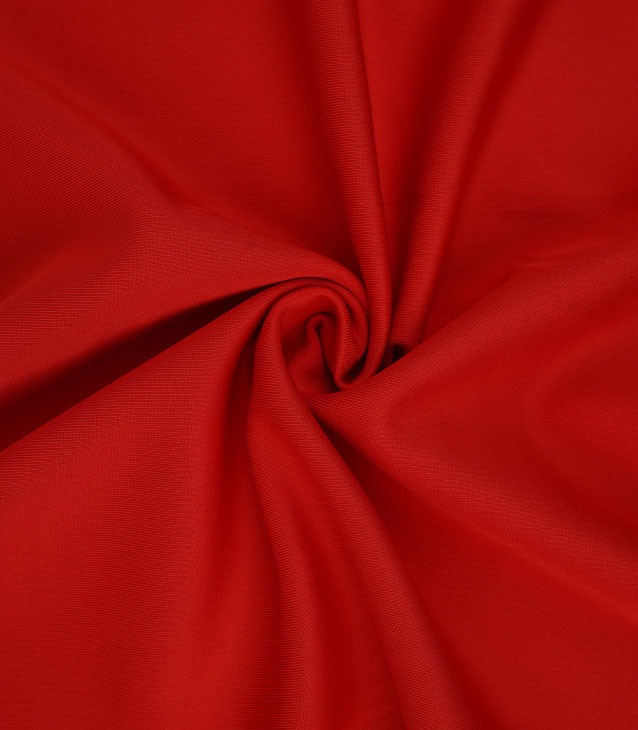
The durability of Weft Knitted Scuba Fabric is directly tied to its polyester-dominant composition. Polyester fibers do not absorb moisture, which means the fabric dries quickly, resists mildew, and does not weaken when wet the way natural fibers can. The dense knit structure also provides inherent resistance to pilling—the surface loops are tightly interlocked, giving abrasive forces fewer exposed fiber ends to catch and roll into pills.
For manufacturers and end users, proper care guidelines help preserve both the smooth texture and structural integrity of the fabric over time:
With appropriate care, high-quality weft knitted scuba garments maintain their appearance and fit through dozens of wash cycles—a performance standard that significantly exceeds lighter knits and most natural fiber stretch options.
For brands and manufacturers sourcing Weft Knitted Scuba Fabric at scale, customization options extend well beyond color selection. The following variables can typically be specified when ordering fabric in rolls from a supplier:
When evaluating suppliers, request fabric specification sheets that confirm the stretch percentages, gsm, and spandex content. Request swatch samples before committing to bulk orders—minor variations in loop density or finishing can meaningfully affect how the smooth texture and form-fitting properties perform in your specific garment construction. Established suppliers will also be able to provide wash fastness and stretch recovery test data, which are essential benchmarks for brands building around durability and consistent fit across seasons.

27th floor , South building, 1358# Mingzhu North Road, Changxing County Zhejiang province, China

+86-13665757726

+86-0572-6228207

+86-0572-6228207


Copyright © ZHEJIANG QIDA TEXTILE CO., LTD. Rights Reserved. Activewear Fabric Suppliers Sportswear Fabric Manufacturers



 English
 中文简体
中文简体