Home / News / Industry news / Clothing Design Services: Custom Knit Fabric Development for Apparel Brands
2026-08-12
Clothing design services start long before sketches are sent for production. For a garment to work commercially, every design decision must be tested against a real fabric. At a fabric mill, clothing design services mean more than styling or pattern making. They include material selection, fabric construction, performance testing, and the practical ability to produce the chosen textile at scale.
Fabric choice is a design decision. It decides how a garment drapes, how much stretch it recovers, how it feels against the skin, and how much it costs to make. That is why apparel brands and manufacturers need a fabric partner that can support the design process with technical guidance.
Content
A useful fabric partner does not simply send a catalog. It translates your design intention into measurable fabric behavior. This is especially important for knitted fabrics, where structure, elasticity, and finish have a direct impact on fit and durability.
| Development stage | What the fabric partner can do | Why it matters |
|---|---|---|
| Concept and material selection | Assess your sketches or reference fabrics and recommend suitable knit constructions and weights. | Reduces the number of rounds needed before a viable sample. |
| Custom fabric development | Adjust fiber composition, yarn count, structure, elasticity, and finish to meet your target hand and performance. | Helps you turn a design idea into a manufacturable specification. |
| Sampling and testing | Produce lab dips and sample knits, then verify dimensions, shrinkage, color fastness, and other relevant properties. | Gives your team clear performance data instead of assumptions. |
| Bulk production | Run larger orders with consistent machine settings and quality checks. | Protects the design from batch-to-batch variation. |
If you start with a garment sketch and only later ask a fabric supplier to match a vague reference, you lose time on trial and error. A fabric-first approach means agreeing on performance requirements such as stretch, recovery, pilling resistance, breathability, water repellency, or shrinkage tolerance before the design is finalized. In practice, this helps you avoid expensive sampling rounds and last-minute material changes.
Different garment functions need different knit structures. Most of the fabrics used in clothing design projects fall into warp-knitted or weft-knitted categories. Understanding the difference helps you choose a material that matches both your aesthetic and your production requirements.
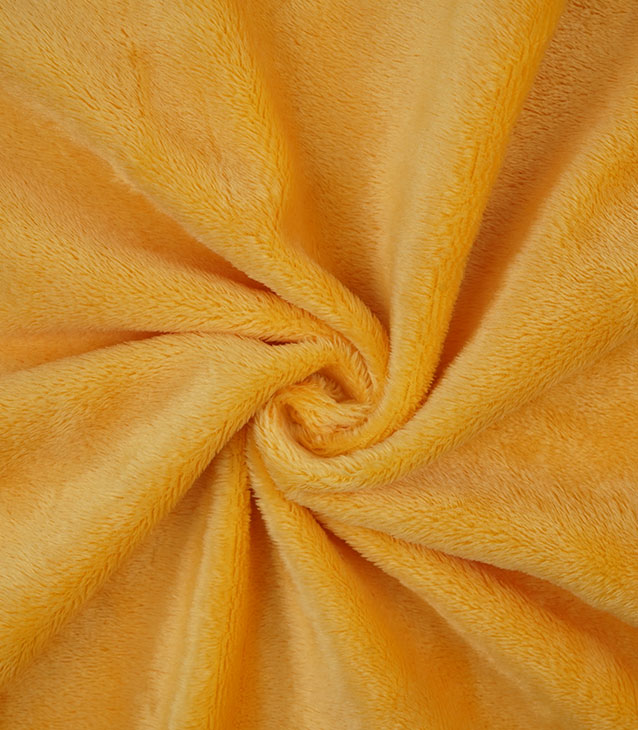
Warp-knitted fabrics are produced with a stable loop structure that tends to resist runs and curling. They are widely used for sportswear, fashion layering, athleisure, and swimwear because they can combine structure with a comfortable hand. A designer looking for a soft, form-friendly material can start with our super soft warp-knitted fabric, which offers a smooth surface and relaxed drape.
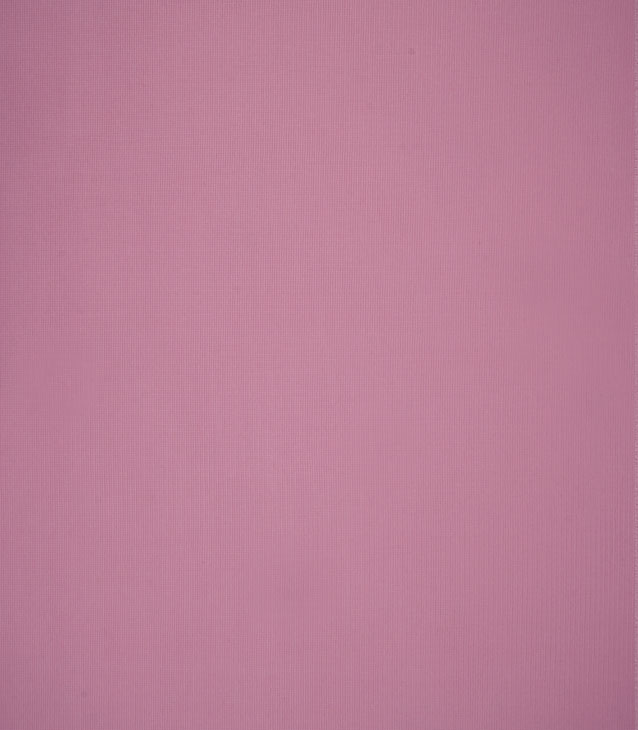 Super Soft Warp Knitted Fabric Suppliers, Factory - Zhejiang Qida Textile Co., LAs Wholesale Super Soft Warp Knitted Fabric Suppliers and Super Soft Warp Knitted Fabric Factory in China, Qida Textile Supply Bulk Super...View Product →
The warp-knitted range also includes mesh fabrics for ventilation, loop velvet for texture, and poly bright for vivid printed surfaces. These options give clothing designers room to experiment while keeping a clear technical foundation.
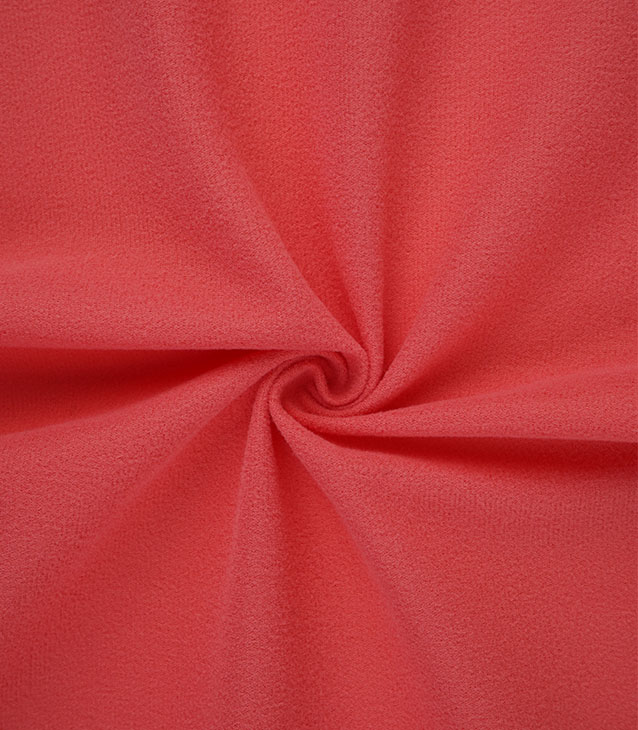
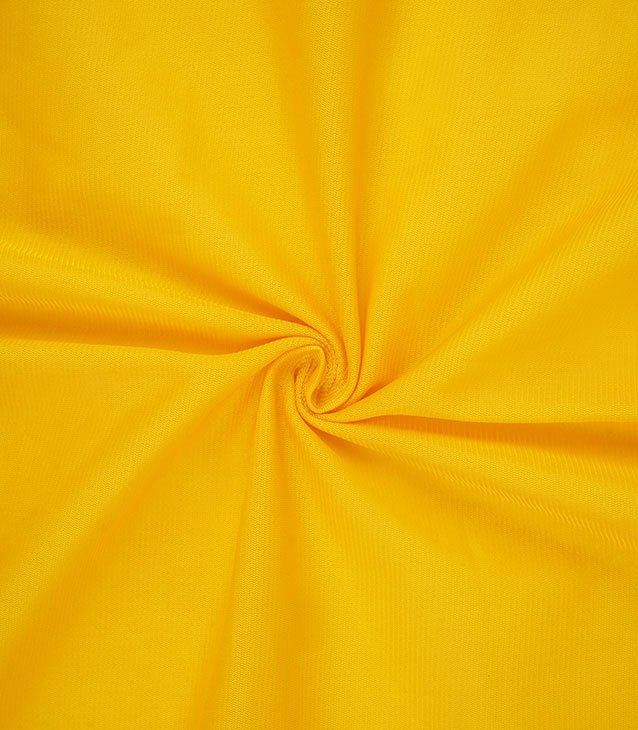
Weft-knitted fabrics are formed by horizontal rows of loops, giving them natural elasticity and recovery. Interlock, for example, is smooth and balanced, making it a dependable choice for everyday apparel. Scuba fabric has a thicker, sponge-like hand and recovers well, so it suits structured sports tops and fashion dresses. For styles that need to hold a silhouette without restricting movement, our scuba weft-knitted fabric is a practical starting point.
 Weft Knitted Scuba Fabric Suppliers, Factory - Zhejiang Qida Textile Co., Ltd.As Wholesale Weft Knitted Scuba Fabric Suppliers and Weft Knitted Scuba Fabric Factory in China, Qida Textile Supply Bulk Weft Knitted Sc...View Product →
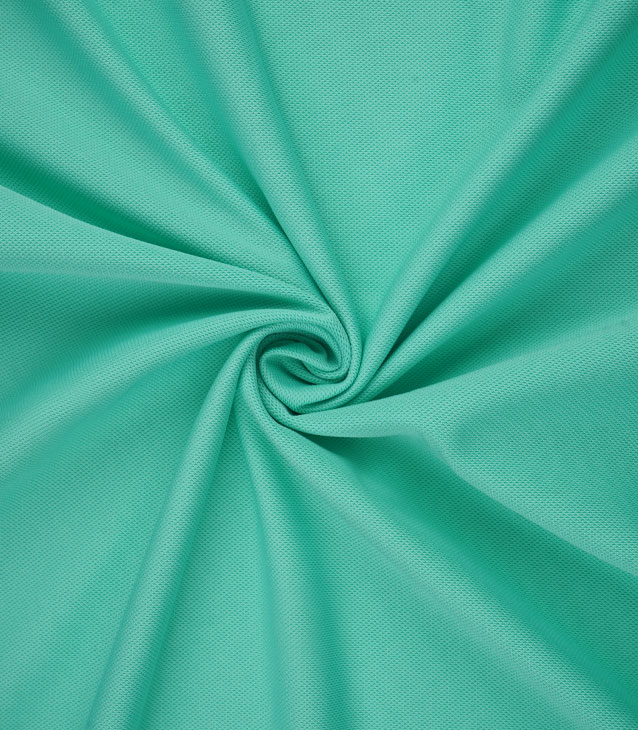
Swimwear and activewear place more demanding expectations on fabric. Chlorine, salt water, sweat, repeated washing, and UV exposure can degrade ordinary knits quickly. For swimwear, we produce swimsuit cloth with the stretch and recovery needed to maintain fit through repeated wear. For activewear, mesh and warp-knitted polyester fabrics help with breathability, moisture movement, and durability.
 Warp Knitted Swimsuit Cloth Suppliers, Factory - Zhejiang Qida Textile Co., Ltd.As Wholesale Warp Knitted Swimsuit Cloth Suppliers and Warp Knitted Swimsuit Cloth Factory in China, Qida Textile Supply Bulk Warp Knitte...View Product →
A compelling fabric sample is only useful if it can be repeated in bulk. Clothing design services at a fabric mill should cover the full path from concept to production. Zhejiang Qida Textile has operated as a fabric factory since 1998, and its company background explains how the mill builds products around customer requirements. The company has invested heavily in technology upgrades and integrated production, allowing it to handle both custom development and large-scale orders.
Custom development is not limited to choosing a color from a set of charts. A technical team can adjust fiber content, yarn count, structure, elasticity, and surface treatment to match a specific design brief. You may begin with a reference fabric, a CAD drawing, or a new performance requirement. The goal is to produce a fabric specification that satisfies both the design and the factory's production capability.
A reliable fabric order depends on consistency across batches. With a reported annual fabric capacity of more than 30,000 tons and a large range of warp knitting, circular knitting, and nonwoven equipment, Zhejiang Qida supports orders that need to be repeated at volume. The factory capability page provides a closer look at the production setup. In addition, the company exports to markets in India, Brazil, Mexico, Italy, Russia, Poland, and Chile, which means it understands the packaging, labeling, and quality expectations of international buyers.
Not every fabric supplier can offer clothing design services in a useful way. The right partner should provide design support, but also honest information about manufacturing limitations. Consider these criteria when comparing suppliers:
Brand teams and product developers should ask the following questions when they start a clothing design project with a fabric mill:
Clothing design services become more valuable when fabric selection is treated as part of the creative work. A well-chosen knit can elevate a simple silhouette, while a poorly chosen one can make an expensive design fail after a few washes. By working with an experienced fabric mill early in the process, fashion brands and manufacturing teams can avoid delays and build designs that are also practical to produce.
For designers, product developers, and brand owners, the best way to use clothing design services is to start with the fabric behavior you need. Then test the sample, review the data, and confirm that the material can be repeated in bulk. That is how a strong sketch becomes a reliable product.

27th floor , South building, 1358# Mingzhu North Road, Changxing County Zhejiang province, China

+86-13665757726

+86-0572-6228207

+86-0572-6228207


Copyright © ZHEJIANG QIDA TEXTILE CO., LTD. Rights Reserved. Activewear Fabric Suppliers Sportswear Fabric Manufacturers



 English
 中文简体
中文简体