Home / News / Industry news / How 3D Knitting Is Revolutionizing Fabric Production: What Buyers Need to Know
2026-08-17
Imagine you are sourcing fabric for a new sportswear line. The design team asks for a seamless sleeve with built-in ventilation, a smooth inner face, and a shape that follows the arm rather than a flat cut pattern. A conventional production route would require multiple panel pieces, careful seam placement, and significant fabric loss. 3D knitting changes that equation entirely: the garment is knitted on the machine as a complete three-dimensional shape, directly from a digital file, with little or no material wasted.
The short version is this: 3D knitting is not a distant experiment. It is already changing the way fabrics are engineered, produced, and purchased. For fabric buyers, the practical question is no longer whether 3D knitting is relevant; it is what the shift means for supplier selection, product development, and cost planning. This article explains the technology in concrete terms, then looks at how a traditional fabric mill fits into the picture.
Content
At its core, 3D knitting replaces two-step production with one-step shaping. In a conventional knitting mill, yarn is turned into flat fabric on circular or flat knitting machines, then cut and sewn into a silhouette. A modern 3D knitting machine uses electronically controlled needles to create the shape during the knitting process. The machine can widen, narrow, add openings, and change stitch density in selected zones, so the final product emerges with the intended three-dimensional form.
For fabric producers, the same logic applies to fabric architecture. Even when a mill is not making complete garments, 3D-aware engineering influences how warp knitted and weft knitted structures are designed. A fabric can be knitted with open mesh zones for airflow, dense panels for support, and elastic yarns in the areas that need stretch. This is where a supplier's engineering depth matters. For example, a factory that produces warp knitted mesh fabrics with controlled porosity can deliver the breathable, structural elements that 3D-driven sportswear designs require.
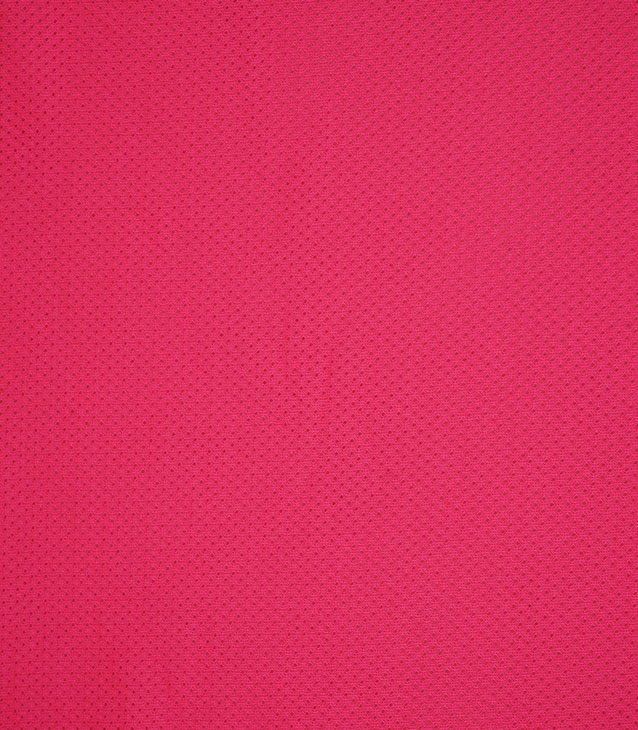 Warp Knitted Polyester Mesh Fabric Suppliers, Factory - Zhejiang Qida Textile CoAs Wholesale Warp Knitted Polyester Mesh Fabric Suppliers and Warp Knitted Polyester Mesh Fabric Factory in China, Qida Textile Supply Bu...View Product →
To make the difference concrete, consider the typical production path for a performance top:
| Stage | Conventional Cutting and Sewing | 3D Knitting |
|---|---|---|
| Starting material | Flat fabric panels | Yarn on the machine |
| Waste | 15-30% typical cutting waste | Near-zero structural waste |
| Assembly | Multiple seams with separate operations | Integrated shaping with minimal seams |
| Fit control | Relies on pattern engineering | Programmed directly into the knitted structure |
| Lead time | Longer because of cutting, sewing, inspection | Shorter digital-to-fabric path |
Three benefits make the strongest business case. First, material efficiency. Because the fabric is shaped as it is knitted, cutting waste drops dramatically. In high-volume apparel, even a 10-15% reduction in fabric consumption improves margin and lowers environmental impact. Second, development speed. A design file can be adjusted overnight and a new sample knitted the next day, which shortens the sampling cycle from weeks to days. Third, performance. Seamless zones allow engineered compression, ventilation, and stretch in exact locations, giving athletes and consumers a better fit without extra finishing steps.
That is why 3D knitting has moved from novelty to a standard option in performance sportswear fabric development. For export-oriented markets, the combination of lower waste and faster validation also reduces inventory risk, because brands can test limited runs before committing to large quantities.
One point that often gets lost in the excitement is that 3D knitting does not eliminate the need for high-quality fabric mills. On the contrary, many 3D-knitted products rely on conventional knitted fabrics for linings, trims, and non-structured areas. A finished performance top may combine a 3D-knitted outer shape with a weft knitted interlock fabric for the inner layers, or use a separate knitted panel for softness against the skin.
 Interlock Weft Knitted Fabric Suppliers, Factory - Zhejiang Qida Textile Co., LtAs Wholesale Interlock Weft Knitted Fabric Suppliers and Interlock Weft Knitted Fabric Factory in China, Qida Textile Supply Bulk Interlo...View Product →
This is where an experienced fabric manufacturer adds value. At Zhejiang Qida Textile Co., Ltd., our factory in Changxing, China, operates warp knitting machines, circular knitting machines, and nonwoven lines, with over 30,000 tonnes of annual capacity. That mix allows us to supply the building blocks for 3D-driven collections: loop velvet warp knitted fabric for plush comfort, engineered meshes for breathability, and precision weft knits for stretch and recovery. A brand that sources from a mill with this range can move from digital concept to market-ready material without juggling multiple suppliers.
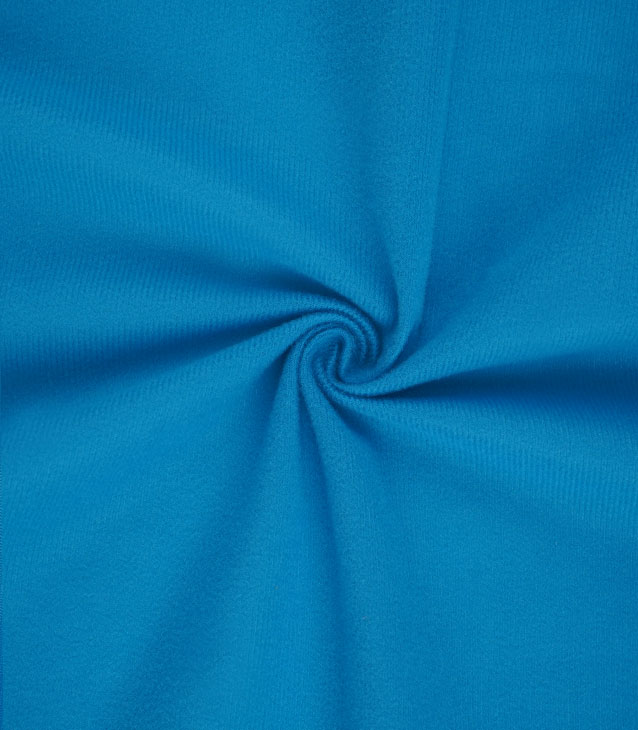 Warp Knitted Loop Velvet Fabric Suppliers, Factory - Zhejiang Qida Textile Co., As Wholesale Warp Knitted Loop Velvet Fabric Suppliers and Warp Knitted Loop Velvet Fabric Factory in China, Qida Textile Supply Bulk War...View Product →
Not every factory is positioned to support 3D-driven production. When you evaluate a potential supplier, it helps to look beyond the word "3D" and check the following capabilities:
These are the same considerations we use when a client brings a new project to our integrated textile production facility. We do not simply sell a single fabric; we help define the structure, select the yarn, and then produce the material at an industrial scale.
3D knitting also has limits that buyers should understand before planning a collection. The machines themselves are expensive, which means many suppliers cannot justify the investment unless they see consistent order volume. Programming a complex 3D shape requires skilled technicians, and not every mill has that talent in-house. Material selection is narrower than in conventional knitting, because the yarn must tolerate the stresses of automated shaping without breaking or distorting.
For a fabric buyer, those constraints translate into practical sourcing advice: work with a supplier that has both the equipment and the technical depth to bridge the gap between traditional and 3D production. In our experience, the most efficient way to manage the risk is to involve the mill early in the design process, before the pattern is finalized, so the fabric structure and the 3D shape are developed together.
3D knitting is not about replacing every textile mill with a single machine. It is about a smarter production logic: less waste, fewer steps, more precise fit, and faster feedback from digital design to finished fabric. For brands that serve sportswear, swimwear, athleisure, or even upholstery markets, the opportunity is to use this logic in the products people actually wear and use.
The first step for a brand or manufacturer is to look at the fabrics already in the supply chain and ask where shaping and waste cause the most friction. If a product relies on large cut-and-sew panels, or if sampling cycles are too slow, 3D knitting deserves a serious trial. Working with a fabric mill that understands both classic knitting and the new digital workflow makes that trial much easier. Start with a single product category, develop a sample, measure the waste reduction and lead-time improvement, and then scale from there.

27th floor , South building, 1358# Mingzhu North Road, Changxing County Zhejiang province, China

+86-13665757726

+86-0572-6228207

+86-0572-6228207


Copyright © ZHEJIANG QIDA TEXTILE CO., LTD. Rights Reserved. Activewear Fabric Suppliers Sportswear Fabric Manufacturers



 English
 中文简体
中文简体