Home / News / Industry news / Fabric Defects: A Practical Guide to Inspection, Causes, and Supplier Control
2026-08-24
The first time a buyer sees a roll of fabric rejected for a defect that was invisible under warehouse lighting, the lesson is clear: fabric defects are not just a quality issue, they are a cost issue. A single horizontal bar or oil stain can reduce usable yield by several percent, and when defects appear repeatedly across a shipment, the financial impact multiplies quickly. That is why fabric inspection matters, and why understanding the types, causes, and prevention of fabric defects is essential for anyone sourcing textiles.
Content
Defects directly affect how much of a finished roll can be cut into parts. A defect in an unprinted area can often be worked around, but a defect in a critical zone means wasted fabric and lost labor. In garment production, a defect appearing in 5% of a shipment can easily push the total cost beyond the agreed margins. For mattress ticking or sofa fabrics, even a small stain or a shade mismatch can make an entire panel unusable.
Beyond the immediate cost, defects damage trust between buyer and supplier. Most textile quality disputes do not begin with a catastrophic problem. They begin with a series of small defects that the buyer did not catch and the supplier did not mention. A well-defined defect guide and an inspection routine are the first line of defense against these disputes.
A practical way to avoid unnecessary rejections is to classify defects by severity based on the end product. A dark oil stain in the middle of a white collar panel is major, whereas a small nep that can be hidden inside a seam allowance may be acceptable. When both sides agree on such classifications before production, the inspection becomes faster and the result is rarely disputed.
Fabric defects can be grouped according to where they occur in the manufacturing process. Some are visible only after dyeing, others appear as the fabric is being knitted or woven. The table below shows the categories buyers most often see during inspection.
| Defect category | Examples | Typical cause |
|---|---|---|
| Yarn related | Neps, slubs, coarse yarn, color fly yarn | Irregular yarn diameter, poor spinning conditions, foreign fibers |
| Knitting / weaving | Drop stitches, needle lines, barre, holes | Machine tension, worn needles, stoppage marks, incorrect yarn feed |
| Dyeing / printing | Shade variation, uneven dyeing, misprint, dye stains | Unstable dye lots, poor fabric preparation, faulty squeeze rollers |
| Finishing / handling | Crease marks, abrasion marks, stains, snags | Excess tension in finishing, contact with rough surfaces, dirty guides |
Among these, defects such as drop stitches and needle lines are common in knit fabrics, while barre is often the result of yarn variation interacting with a circular knitting machine. Shade variation is one of the most frequent reasons for buyer rejection because it is easily detected in stacked panels. Horizontal lines, whether from machine stoppage or inconsistent tension, are also a classic claim trigger in both warp and weft knitting.
A useful habit is to keep a photo bank of your own defect examples. When you inspect rolls, take close-ups of each new defect. Over time you will develop a reference set that matches your market’s tolerance levels, which is far more practical than memorizing a generic glossary.
Most defects are not the result of a single dramatic event. They come from many small variations in raw material, machine settings, and handling. A yarn with a high coefficient of variation can create thick and thin places that show up as bars after dyeing. A needle that is slightly bent will produce a vertical line for thousands of meters before anyone notices. A fabric roll left in the wrong place near a forklift can collect an oil mark that becomes impossible to remove.
In dyeing and printing, poor preparation is a common hidden cause. If the fabric contains residual oils or uneven moisture, dyes can take unevenly and produce blotches or shade differences. In finishing, excessive tension creates crease marks and dimensional distortion. This is why process control at the mill matters as much as final inspection: the defects are already in the fabric by the time it reaches the inspection table.
Some defects are also caused by bad handling after knitting. For instance, a wet roll left on a concrete floor can absorb moisture and become stained. A fork lift can scratch a rolled edge. These are not production defects but they still create claims, so they belong in a complete inspection routine.
A practical inspection routine is built on four elements: lighting, sampling, defect classification, and documentation.
Inspection is not useful without agreed limits. Define what is acceptable for your end product before production starts, and share that definition with your supplier. This prevents the common situation where a mill judges a fabric as commercially passable, while the buyer sees the same fabric as unusable.
The 4-point system is not the only standard. Some markets use a 10-point system or a point-free visual assessment. What matters is that the chosen system is documented, and that both buyer and supplier use it consistently. If you work with a mill that already publishes their quality limits, start from those and adapt them to your end product.
A reliable supplier does not rely solely on final inspection. They use process controls that prevent defects from forming in the first place. At our factory in Changxing, we operate 62 Karl Mayer warp knitting machines and 100 circular knitting machines with regular needle checks and tension monitoring. Our production team is evaluated with a quality-linked compensation system: part of their pay depends on defect rates, so everyone cares about the fabric that leaves the line.
We also treat inspection as a conversation with the buyer. Depending on the order, we can arrange fourth-party inspection or follow the buyer’s own checklist. The goal is to make the fabric’s condition known before shipment, not after a claim arrives. You can see how we manage this by going through our factory floor and understanding our company background.
Different products need different defect priorities. When we produce a super soft warp knitted fabric, the team focuses on surface evenness and the absence of warp lines, because the plush hand can hide small faults until they appear in the finished garment.
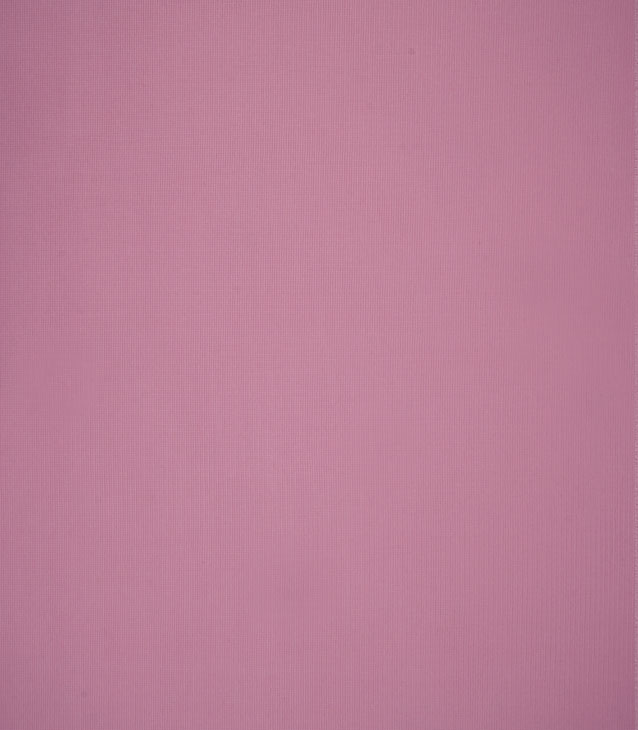 Super Soft Warp Knitted Fabric Suppliers, Factory - Zhejiang Qida Textile Co., LAs Wholesale Super Soft Warp Knitted Fabric Suppliers and Super Soft Warp Knitted Fabric Factory in China, Qida Textile Supply Bulk Super...View Product →
For a compression scuba knit fabric, we check for edge delamination and bubbles between layers. These defects might not show on the surface at first, but they ruin the recovery and appearance of swimwear after a few uses.
 Weft Knitted Scuba Fabric Suppliers, Factory - Zhejiang Qida Textile Co., Ltd.As Wholesale Weft Knitted Scuba Fabric Suppliers and Weft Knitted Scuba Fabric Factory in China, Qida Textile Supply Bulk Weft Knitted Sc...View Product →
On a warp knitted mesh fabric, we inspect every roll for broken filaments and misplaced loops, because a single broken yarn can cause a visible ladder that makes the entire panel unusable.
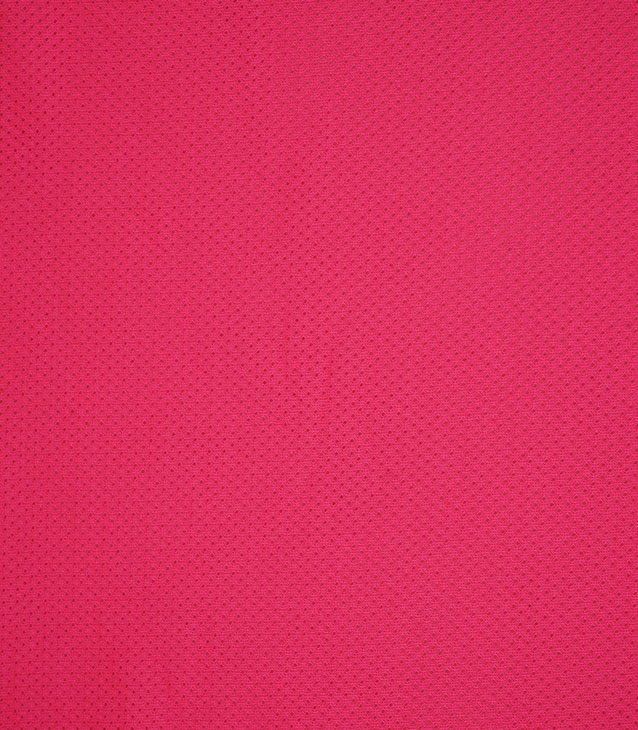 Warp Knitted Polyester Mesh Fabric Suppliers, Factory - Zhejiang Qida Textile CoAs Wholesale Warp Knitted Polyester Mesh Fabric Suppliers and Warp Knitted Polyester Mesh Fabric Factory in China, Qida Textile Supply Bu...View Product →
Fabric defects will never disappear completely. But when you understand what they look like, why they happen, and how to control them, you can reduce their impact on your production line and your bottom line. A clear inspection routine and a supplier that owns their quality process turn a potential source of loss into a manageable part of the supply chain.

27th floor , South building, 1358# Mingzhu North Road, Changxing County Zhejiang province, China

+86-13665757726

+86-0572-6228207

+86-0572-6228207


Copyright © ZHEJIANG QIDA TEXTILE CO., LTD. Rights Reserved. Activewear Fabric Suppliers Sportswear Fabric Manufacturers



 English
 中文简体
中文简体