Home / News / Industry news / Apparel Sourcing Strategy: Choosing a Reliable Fabric Supplier for Your Brand
2026-09-01
When a brand owner receives three fabric quotes that are close in price, the natural instinct is to compare the number of samples and the response time. But the best apparel sourcing strategy starts one step earlier: understanding whether the factory's knitting technology actually fits your product. A low quote from a supplier that has never produced the structure you need will cost you more in sampling, rework, and missed launch windows than the price difference ever saves you.
Content
The core of any apparel sourcing strategy is a clear-eyed view of what the fabric can do at scale. Warp-knitted fabrics are made with parallel yarns that are looped together, giving them more dimensional stability and resistance to distortion. Weft-knitted fabrics are formed by interlocking loops in a horizontal direction, which makes them softer and more flexible. This distinction matters far more than the handful of cents between two quotes.
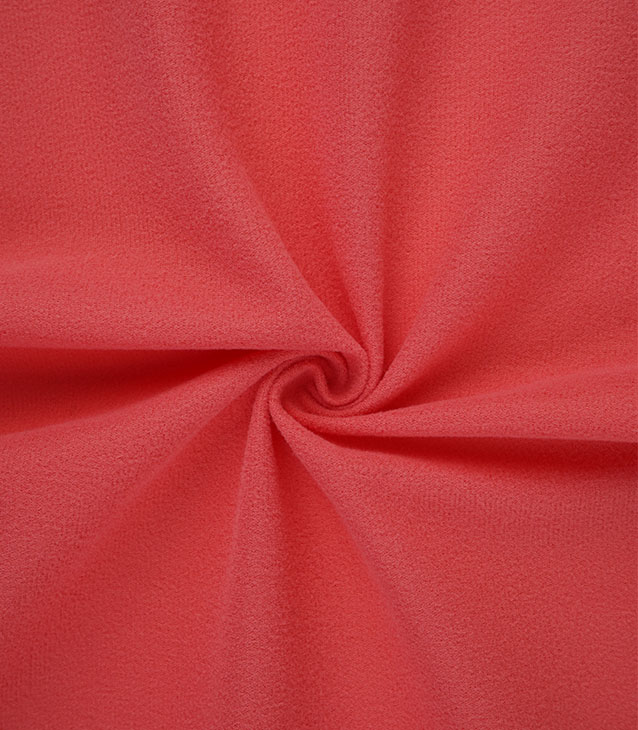
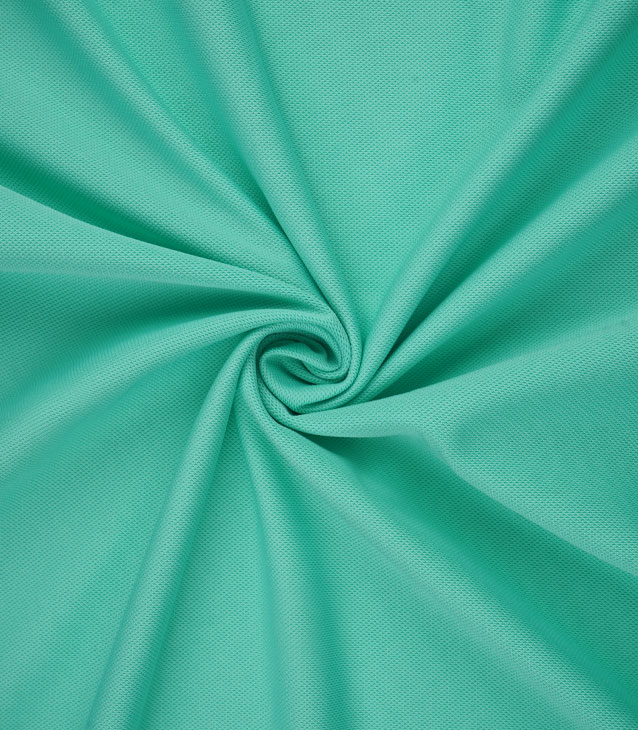
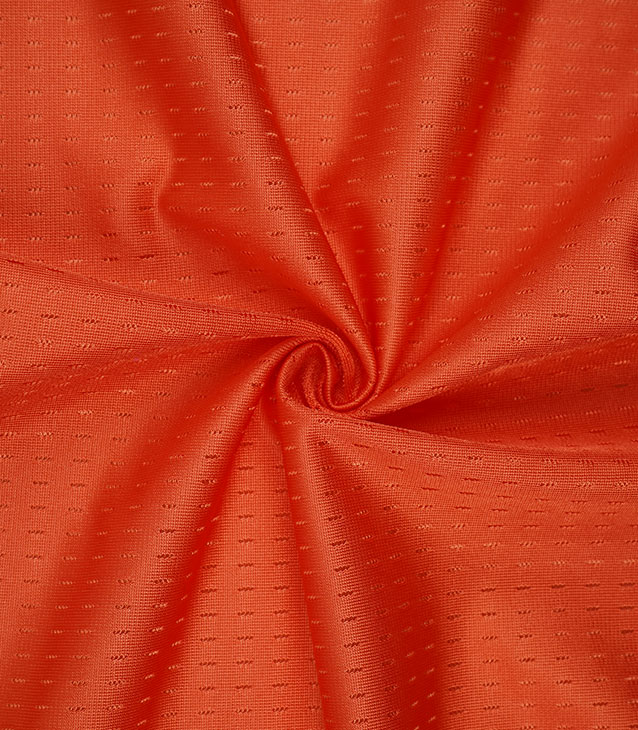
If you source activewear, a warp-knitted polyester can offer the stability needed for performance garments that need to hold their shape during repeated movement.
 Warp-Knitted Polyester Fabric for ActivewearThis warp-knitted polyester offers a smooth, stretchy surface with a soft feel, making it suitable for performance garments that need to retain shape during movement.View Product →
For a more stretch-driven sportswear item, a weft-knitted fabric might be the better starting point. The design decision, not the price sheet, should determine which process you commit to.
| Characteristic | Warp-knitted fabric | Weft-knitted fabric |
|---|---|---|
| Structure | Longitudinal yarn interlacing | Horizontal yarn loops |
| Stretch | Low to moderate | High, especially with spandex |
| Typical uses | Sportswear, swimwear, home textiles | Fashion, activewear, casual wear |
| Main machinery | Warp knitting machines | Circular knitting machines |
Fabric suppliers differ more in how they respond to pressure than in the fabric photos they send. A reliable supplier should be able to describe its equipment in terms of machine types, counts, and annual capacity. You also need to know whether the factory has integrated production or relies on subcontracting. For example, a supplier that runs both warp-knitting machines and circular knitting machines can cover a wider range of product categories, which reduces your need to qualify multiple factories for a single season. Check the factory profile to confirm whether the claims match the actual production floor before you invest in sampling.
Capacity is not just a number. A factory with an annual capacity of more than 30,000 tons can lock in your peak-season orders, but only if the production planning team is disciplined enough to protect your delivery slot. Ask for a basic production schedule, a list of equipment, and a clear policy on what happens when a repeat order needs to be squeezed into an already full schedule.
The sample stage reveals more about a factory than any brochure. A competent fabric supplier will ask about your target weight, width, hand feel, stretch requirements, and end-use standards before quoting. If they simply send you an off-the-shelf sample without clarifying your needs, you can expect the same lack of attention in production. Reverse the conversation: give them a technical specification sheet, not just a picture. This forces both sides to align on measurable parameters instead of vague descriptions.
Ask for a lab test report along with the sample, especially for key performance indicators like tensile strength, tear resistance, and color fastness. For knit fabric, include a measurement of recovery that matches the intended garment use. If the factory can explain what the report means in terms of your actual product, that is a strong signal of a sourcing partner who is ready for a long-term relationship.
Apparel sourcing strategies that rely on a single final inspection are brittle. Quality control needs to be baked into the timeline. A practical process starts with fabric inspection before the first cut, continues with inline checks during production, and ends with a pre-final and final inspection based on an agreed AQL level. If the factory allows third-party inspection, you reduce the risk of disputes later.
You can make the process even more robust by asking how the factory motivates its own workers. When quality scores are tied to pay, the inspectors and operators become more alert to defects that might otherwise be dismissed as acceptable. This kind of detail matters more than a polished quality manual.
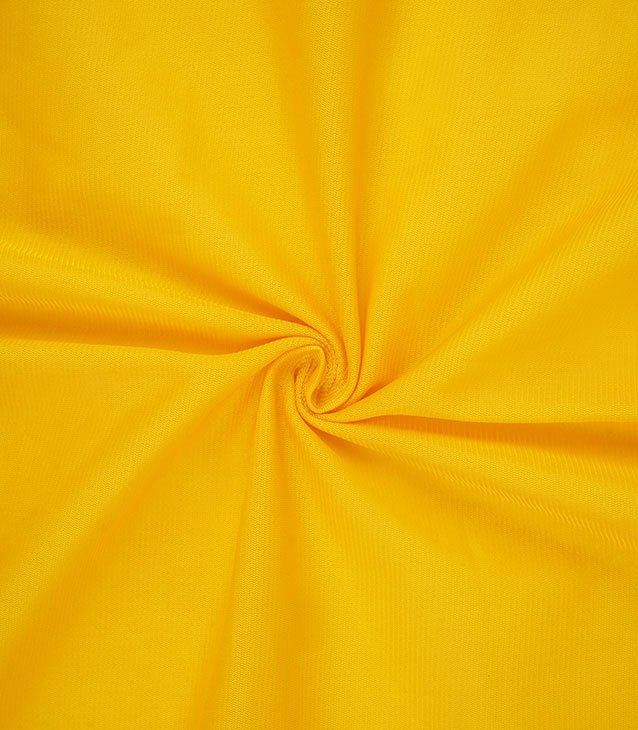
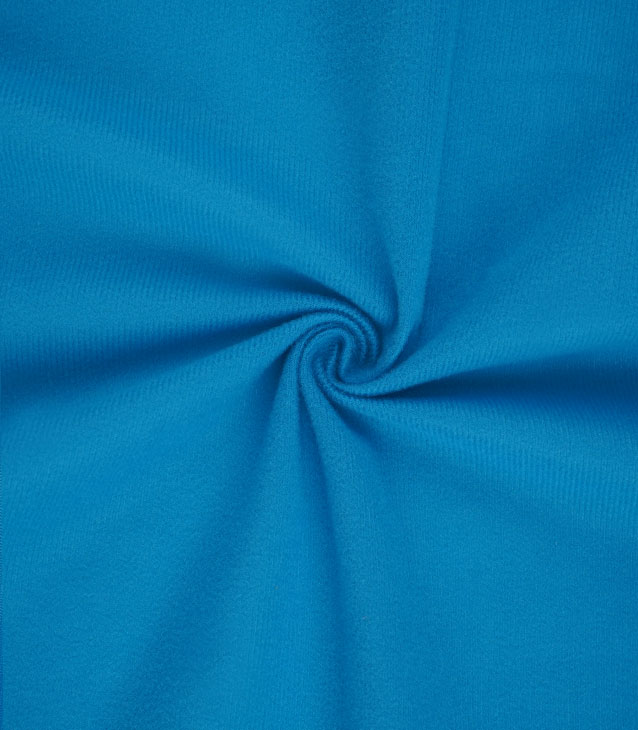
Swimwear fabric is a different animal. The sourcing criteria should include chlorine resistance, residual stretch, and recovery after repeated stretching. If you are sourcing reorders, you want to know how the fabric behaves after 50 pool cycles, not just on a lab report. A warp-knitted swimsuit cloth can provide the stability and compression needed for demanding shapes, and the right supplier will have the finishing equipment to support it.
 Warp-Knitted Swimsuit Cloth for High-Performance SwimwearDesigned for demanding swimwear, this warp-knitted fabric provides stretch, recovery, and chlorine resistance, ensuring a comfortable fit that withstands repeated use.View Product →
Insist on a clear testing standard before you place a bulk order. If the supplier cannot explain the chemical levels or finishing parameters, you are buying a promise, not a product.
When your sourcing strategy covers mattress ticking, sofa fabric, or other home textile applications, the priority shifts from stretch and recovery to abrasion resistance, pilling, and dimensional stability. These fabrics are often ordered in long runs with repeat programs, which means consistency between dye lots becomes a major purchasing risk.
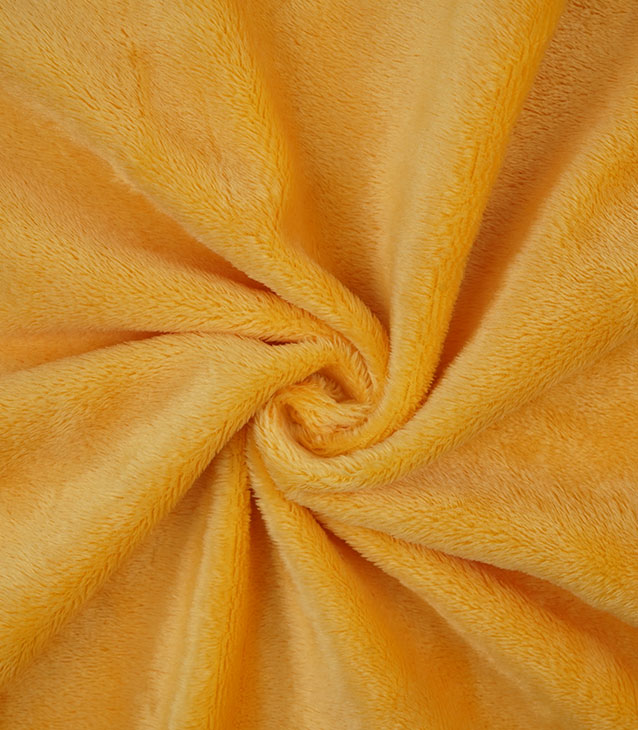
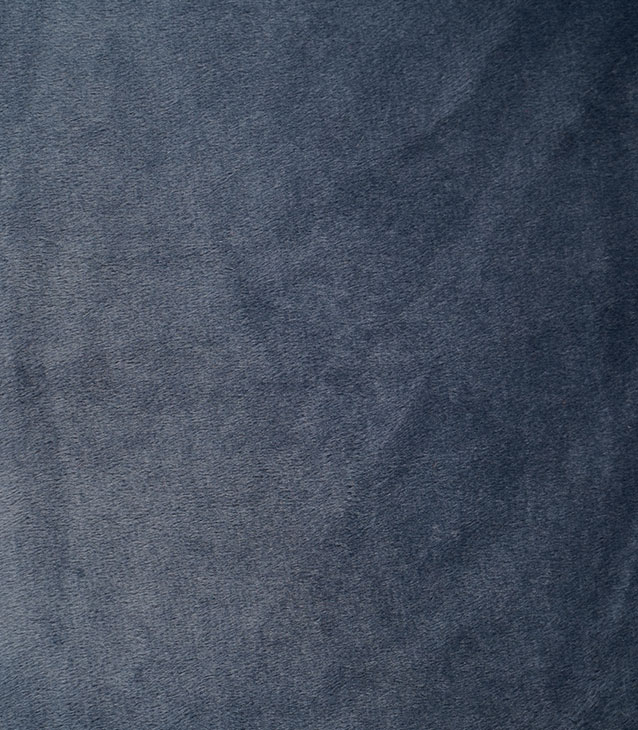
A loop velvet fabric, for example, can deliver a soft hand with a durable face, but the finish and backing construction determine whether it can survive high-frequency use. Ask about pile height, backing type, and the supplier's ability to maintain tone-on-tone continuity across deliveries.
 Warp-Knitted Loop Velvet Fabric with Soft and Durable FinishFeaturing a looped surface, this fabric combines softness with structural stability, making it ideal for upholstery, bedding, and premium apparel that require a luxurious touch.View Product →
The final FOB price of a garment is built from fabric cost, trims, cutting and sewing labor, printing, washing, and finishing. Fabric cost is typically the most volatile element because it is directly affected by yarn prices and minimum order quantities. A good apparel sourcing strategy treats fabric cost not as a single number but as a prediction of risk.
For instance, a small-batch development at a higher per-meter price can be worth it if it lets you validate the market before locking a container. The same logic applies to capacity: a supplier that offers flexible minimum order quantities and has room to grow with your seasonal plan protects you from late deliveries. Ask for a clear lead time that includes sample development, fabric production, and reorder protection.
Regulatory pressure around supply chain transparency is growing. For apparel sourcing, this means you need to verify the supplier's chemical compliance, wastewater treatment, and any eco-finishing claims. If your brand sells activewear or outerwear, check whether the supplier can apply a fluorine-free water repellency finish, because it affects both the product's performance and its environmental footprint.
Sustainability is also a risk-management tool. A factory with a documented sustainability program is more likely to keep production running steadily when local regulations tighten. Do not accept generic terms: ask for specific certifications, finishing processes, and the factory's own sustainability reporting. This information should sit alongside the quality and capacity data in your supplier scorecard.
A reliable apparel sourcing strategy is no longer a simple exercise in finding the cheapest sewing plant. It is a system for evaluating fabric capabilities, factory equipment, quality control, sustainability, and capacity risk. When you build that system, you turn a supplier into a partner who can help you react to market changes instead of derailing your product calendar.

27th floor , South building, 1358# Mingzhu North Road, Changxing County Zhejiang province, China

+86-13665757726

+86-0572-6228207

+86-0572-6228207


Copyright © ZHEJIANG QIDA TEXTILE CO., LTD. Rights Reserved. Activewear Fabric Suppliers Sportswear Fabric Manufacturers



 English
 中文简体
中文简体