Home / News / Industry news / Barre Fabric Defect: Root Causes, Detection Methods, and Sourcing Tips
2026-09-08
Open any returned shipment of knit fabric and you may find the same story: the greige goods passed inspection, the dyehouse followed the recipe, and the finished yardage still shows horizontal stripes running across the roll at regular intervals. That is barre fabric defect: one of the most expensive quality problems in knitted textiles, because it is often invisible until dyeing or finishing makes it obvious.
Barre is caused by small differences in yarn or machine behavior that repeat around the knit. Once you understand the mechanism, you can prevent it with better yarn management, disciplined machine maintenance, and carefully selected production partners.
Content
Barre (also written barré) is an unintentional, repetitive visual pattern of bars and stripes, usually parallel to the filling in weft-knitted fabrics and appearing at roughly equal intervals along the length of the fabric. In practical terms, the fabric surface shows periodic shading or texture differences that are not part of the intended design.
Barre is not a tear, a hole, or a stain. It is a tonal defect. The eye registers a stripe that should not be there, which is why solid-color garments suffer the most. Because knit apparel depends on a uniform surface, a faint barre can turn a first-quality roll into second-quality material.
Fabric inspectors classify barre into two families: yarn-related causes and machine- or process-related causes. Most real-world cases include elements of both.
| Cause category | Visual effect | Main countermeasure |
|---|---|---|
| Yarn count variation | Broad shading bands | Verify yarn count; use one spinning lot |
| Twist variation | Streaks and sheen shifts | Control twist; separate twist lots |
| Dye-affinity differences | Horizontal dark and light stripes | Lab-dye yarn lots before knitting |
| Uneven feed tension | Repeating bars tied to machine revolutions | Calibrate positive-feed wheels |
| Needle and sinker wear | Narrow widthwise or lengthwise lines | Replace worn parts; reset cams |
| Heat-setting variation | Distorted courses and bands | Standardize finishing temperature and speed |
Some fabric categories need stricter barre control than others. Light-solid shades and pastel colors show barre immediately because the uniform surface gives the eye no visual noise to mask the stripes. Brushed and piled surfaces amplify tonal differences, as the nap reflects light differently across a shaded band. Open mesh constructions make any stitch-size irregularity obvious, since the eye sees through the structure and notices even small changes in opening size.
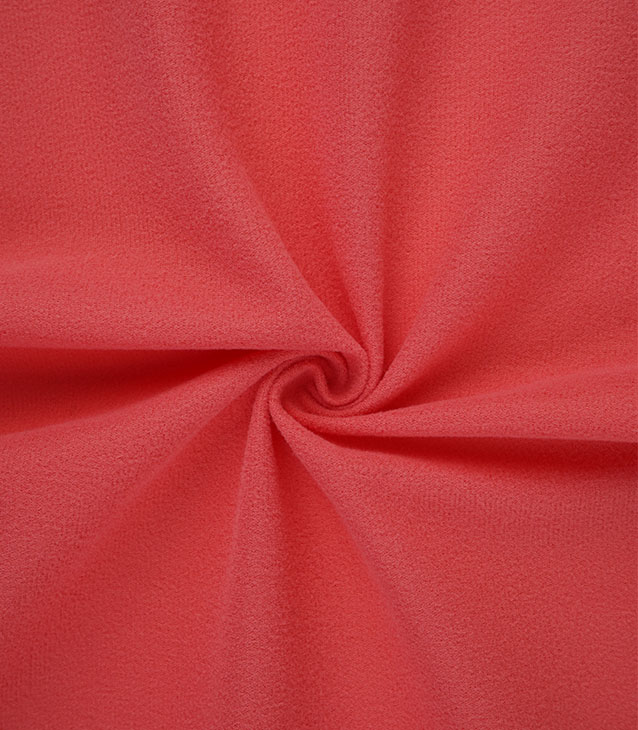
Swimwear fabric is a classic case. The combination of elastane under high tension and bright, evenly dyed nylon or polyester colors leaves no room for dye-affinity drift or feed-tension noise. A supplier of swimwear fabrics has to manage yarn lots and machine settings far more strictly than a mill producing basic casual wear.
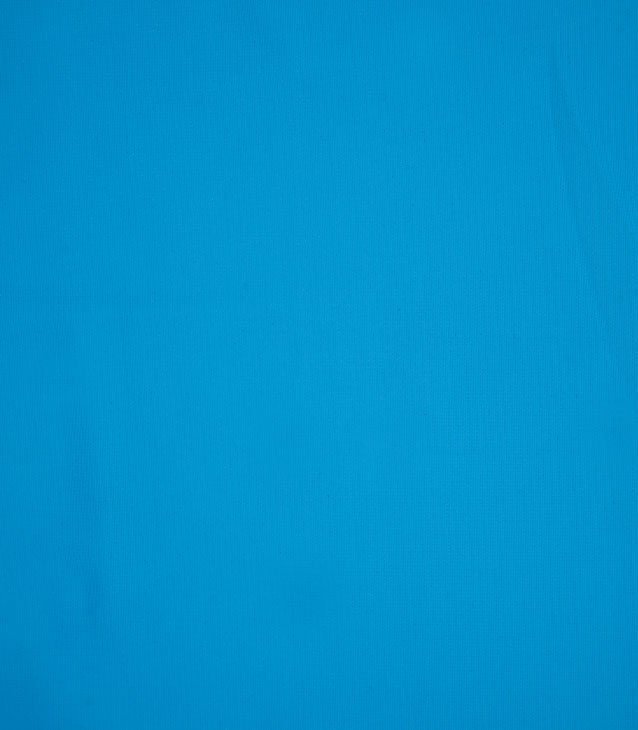 Warp Knitted Swimsuit Fabric with Chlorine ResistanceThis swimwear fabric uses advanced warp knitting for a smooth, stretchy fit that withstands chlorine and salt water. Its even structure and breathability make it a reliable choice for performance swimwear buyers concerned about barre.View Product →
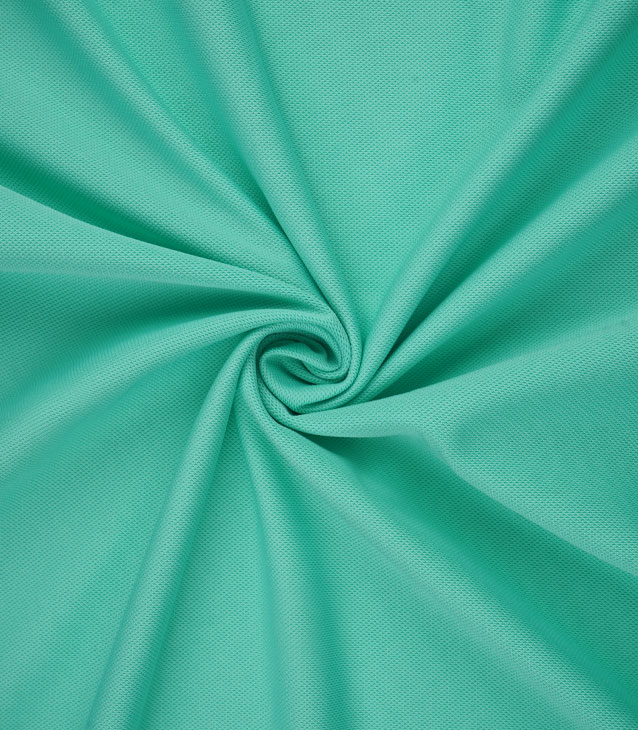
Mesh fabrics used in footwear, linings, and sportswear panels are equally unforgiving. A slight increase in stitch length in one course changes the openness of the mesh, and the result reads as a broken horizontal line across the fabric. If you are buying mesh, barre should be a mandatory item on your specification and inspection checklist.
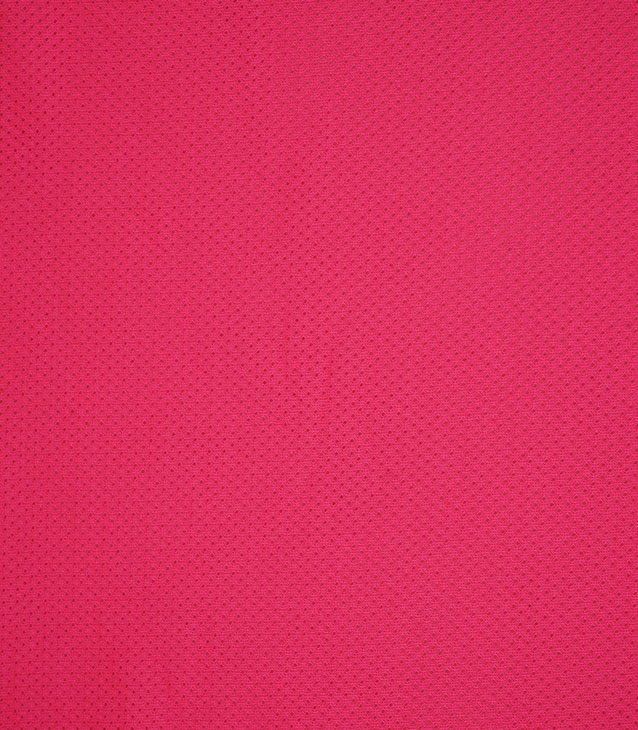 Warp Knitted Polyester Mesh with Uniform OpeningsThis polyester mesh offers consistent, breathable openings and resists stretching, making it suitable for linings, sportswear panels, and protective covers. Its stable structure supports reliable inspection for visual defects like barre.View Product →
Barre is a visual defect, so detection starts with controlled visual inspection. The normal practice in knitting mills is to check finished, dyed fabric on an inspection machine under standard overhead lighting, viewing the fabric at an angle as it moves over the board. Greige inspection catches structural faults but not tonal variation, which is why barre is usually discovered after dyeing.
Many mills and buyers use a simple three-level classification for barre severity: acceptable when no stripe is visible at one meter under standard light; borderline when the stripe is visible only on close inspection; and reject when the stripe is visible at first glance. This classification is practical because it connects visual severity directly to decision-making on the cutting table.
Prevention starts upstream, not at the inspection table. Every point in the production chain can introduce or remove barre, and a reliable supplier controls all of them.
This is where the manufacturing partner matters. A fabric factory that can show its knitting floor, maintenance schedule, and inspection line is ahead of mills that treat barre as an unavoidable cost. A producer with a long track record, such as a company that has been supplying knit fabrics since 1998, usually has documented answers to quality questions and a technical team that can adjust processes before problems reach the finished roll.
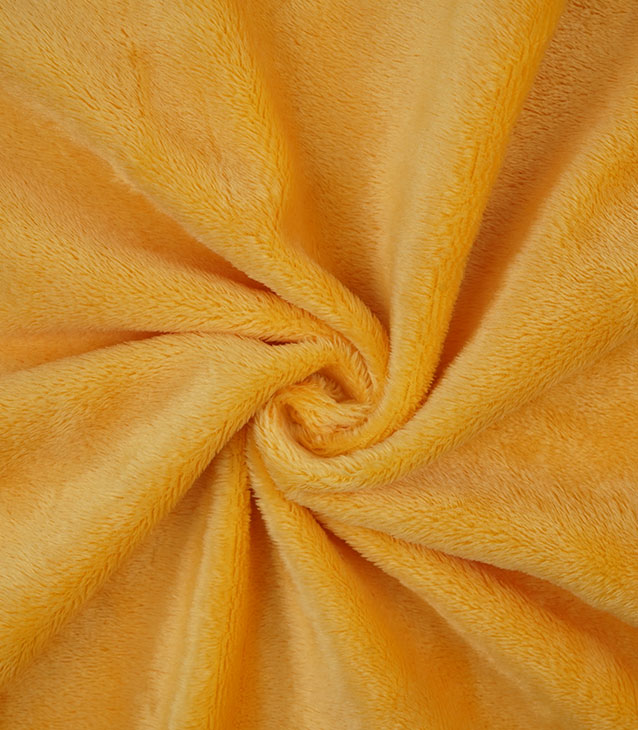
Brushed fabrics such as polar fleece and super-soft styles are a good final test of barre control. Brushing hides some yarn defects but exaggerates others, so a mill that delivers consistent brushed rolls has its yarn management and machine discipline in order.
 Super Soft Warp Knitted Fabric for Plush TextilesThis ultra-soft warp knitted fabric delivers a velvety hand feel and durable softness, ideal for blankets, baby products, and upholstery. Its uniform surface helps suppliers demonstrate consistent quality control against barre defects.View Product →
Barre fabric defect is not mysterious. It comes from measurable differences in yarn and machine behavior, and it can be controlled with disciplined yarn management, regular machine calibration, and rigorous finished-fabric inspection. For buyers, the practical takeaway is simple: ask the supplier how they prevent barre, and verify the answer on the inspection table. The most expensive roll of fabric is the one that looks clean in greige and stripes after dyeing.

27th floor , South building, 1358# Mingzhu North Road, Changxing County Zhejiang province, China

+86-13665757726

+86-0572-6228207

+86-0572-6228207


Copyright © ZHEJIANG QIDA TEXTILE CO., LTD. Rights Reserved. Activewear Fabric Suppliers Sportswear Fabric Manufacturers



 English
 中文简体
中文简体