 Home / News / Industry news / The Best Sustainable Fabrics: What Buyers and Product Teams Need to Know
2026-09-14
When the phrase "best sustainable fabrics" comes up in a buying meeting, three questions usually follow. Will the product still perform? Will customers accept the cost? And can the supplier deliver the material in consistent quality? A typical sampling table may hold an organic cotton jersey, a linen weave, and a recycled polyester mesh. Each label looks responsible, but each behaves differently on the body, in the wash, and on the production line.
Content
No fibre is sustainable by itself. The environmental outcome depends on the whole production chain: where the raw material is grown or recovered, how it is spun, how it is dyed and finished, and how the finished garment is used and disposed of. A fabric made from a renewable plant fibre can still create serious pollution if the dyehouse uses poorly managed chemicals. A recycled synthetic can reduce dependence on virgin plastic while still raising questions about microfibre shedding.
When you evaluate a textile, look at the complete picture rather than a single marketing claim:
This is why the same fabric name can look responsible in one catalogue and problematic in another. The material alone is never the full answer.
Based on how commercial textile projects actually run, these six materials deserve a place on most shortlists. None is perfect, but each can be a genuine improvement over its conventional alternative when sourced and processed carefully.
| Fabric | Why It Ranks Well | Main Constraints | Best Use |
|---|---|---|---|
| Organic cotton | Grown without synthetic pesticides or fertilisers; certified options provide traceability; biodegradable | Higher cost; water and land use still significant; can shrink if not finished carefully | T-shirts, underwear, jersey basics, homewear |
| Hemp | Fast-growing, low water and pesticide needs, strong and durable, biodegradable | Coarser hand-feel unless processed or blended; limited supply; needs careful softening | Trousers, workwear, outerwear blends |
| Linen | Flax grows in poor soil, requires little water, long service life, and gets softer with wear | Wrinkles easily; premium price; processing can be chemically intensive | Summer dresses, shirts, tailoring |
| Lyocell | Made from wood pulp in a closed-loop process; soft hand; biodegradable; good moisture control | Wood sourcing must be certified; process is energy-intensive | Dresses, shirts, light outerwear, activewear blends |
| Recycled polyester | Diverts plastic bottles and textile waste; lower energy and water impact than virgin polyester; strong and quick-drying | Can shed microfibres during washing; not biodegradable; quality depends on recycled feedstock | Sportswear, outerwear, swimwear |
None of these materials is automatically the winner. The best choice depends on the product, the price point, and the supplier's ability to control everything that happens after the fibre is chosen.
Natural fibres usually win on renewability and biodegradability. Recycled synthetics usually win on performance, strength, and durability in activewear. The deciding factor should be how the garment will be used, not which story sounds better in a product description.
Blends can also be part of the solution. A small percentage of elastane adds the stretch needed for movement, but it also makes recycling harder. You need to weigh that trade-off against the durability benefit.
The material is only half the equation. The same fibre can be processed with very different energy use, water use, and chemical management depending on the mill. A serious supplier should be able to answer questions about yarn sources, certification scope, auxiliary chemicals, and waste control.
For B2B buyers, an integrated production environment helps because it shortens the supply chain and gives one accountable point for knitting, dyeing, and finishing. You can review the type of production setup we describe in our factory capabilities, but the same audit logic applies to any mill you work with.
Before placing a bulk order, put these questions to the potential supplier:
Strong suppliers welcome these questions. If a mill cannot trace its own inputs or explain its finishing chemistry, the sustainability claim has a weak foundation.
Even the most sustainable fibre can produce a mediocre garment if the construction is wrong. The knit or weave structure determines how the fabric drapes, stretches, breathes, and holds its shape. That is why the best sustainable fabrics for activewear are rarely the same as the best for luxury shirting.
Three construction families appear frequently in sustainable product development: weft-knitted interlock for cotton-rich basics, warp-knitted mesh for breathable performance layers, and dense warp-knitted polyester bases for sportswear. The fabric construction is the starting point; the yarn can then be selected as organic, recycled, or conventional depending on the programme requirements.
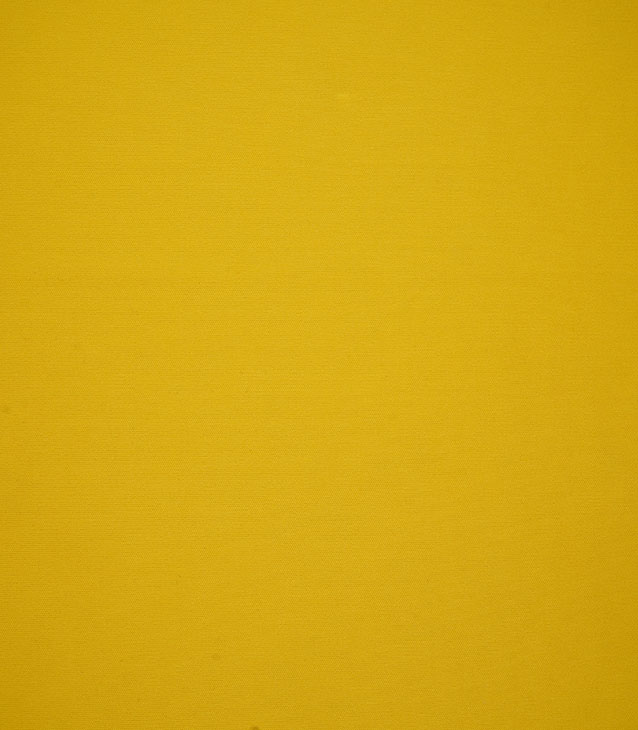 Interlock Weft Knitted Fabric for Soft, Durable BasicsThis double-sided interlock knit offers a thicker, breathable hand feel with shape retention and moisture-wicking properties, making it a practical choice for garments that need lasting comfort and fit.View Product →
 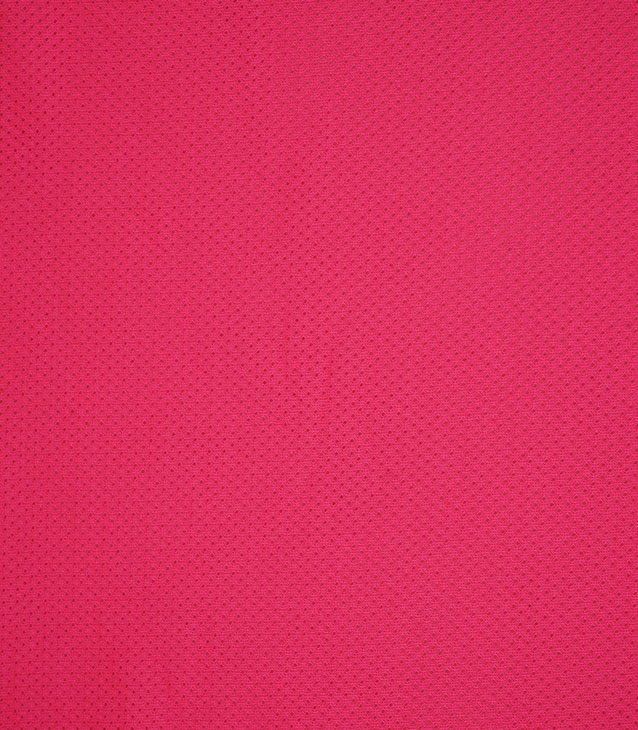 Warp Knitted Polyester Mesh Fabric for Breathable StrengthThis uniform fine mesh combines breathability with tear resistance and dimensional stability, suited for performance layers, linings, and outdoor gear where lightweight durability matters.View Product →
 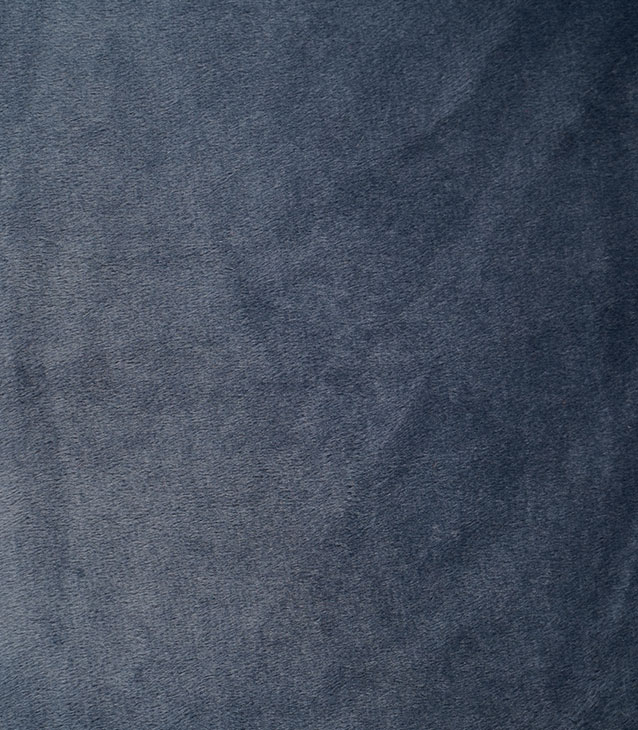 Super Poly Warp Knitted Fabric with Soft, Stretchy FinishMade from premium polyester, this warp knit delivers a smooth, softly textured surface with graceful stretch, balancing elegance and toughness for versatile apparel and product use.View Product →
Choosing the best sustainable fabrics is not about picking a single greenest fibre. It is about matching the material to the use, choosing a construction that will last, and working with a supplier that can show evidence instead of vague claims. When those factors line up, a fabric becomes sustainable in the only sense that matters over time: it stays in use longer and leaves a smaller footprint behind.

27th floor , South building, 1358# Mingzhu North Road, Changxing County Zhejiang province, China

+86-13665757726

+86-0572-6228207

+86-0572-6228207


Copyright © ZHEJIANG QIDA TEXTILE CO., LTD. Rights Reserved. Activewear Fabric Suppliers Sportswear Fabric Manufacturers



 English
 中文简体
中文简体