Home / News / Industry news / Color Fashion Dye and Finishing: How a Fabric Mill Creates Vivid, Durable Textiles
2026-10-13
Color is the first thing a customer notices. Before they touch the fabric or check the seams, their eyes react to the shade. For a fabric mill, that reaction comes from two connected processes: dyeing and finishing. Together they turn greige knit fabric into something ready for the fashion market.
Content
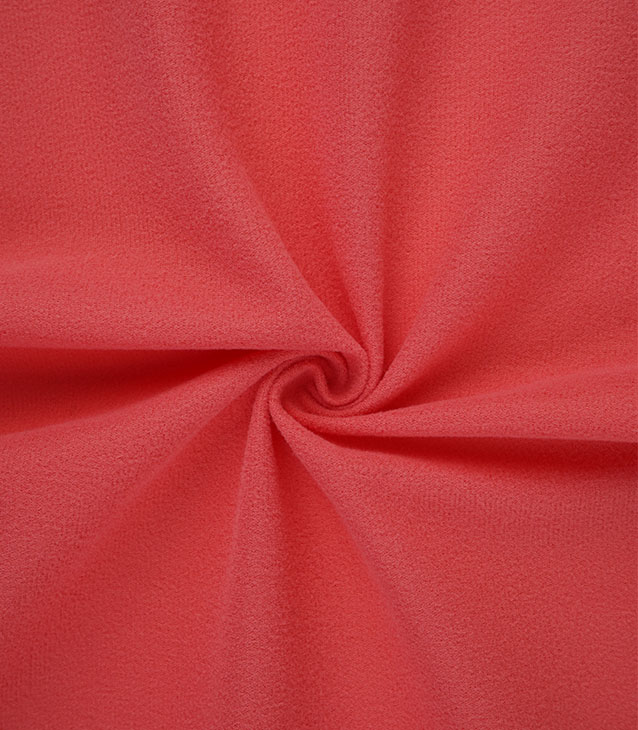
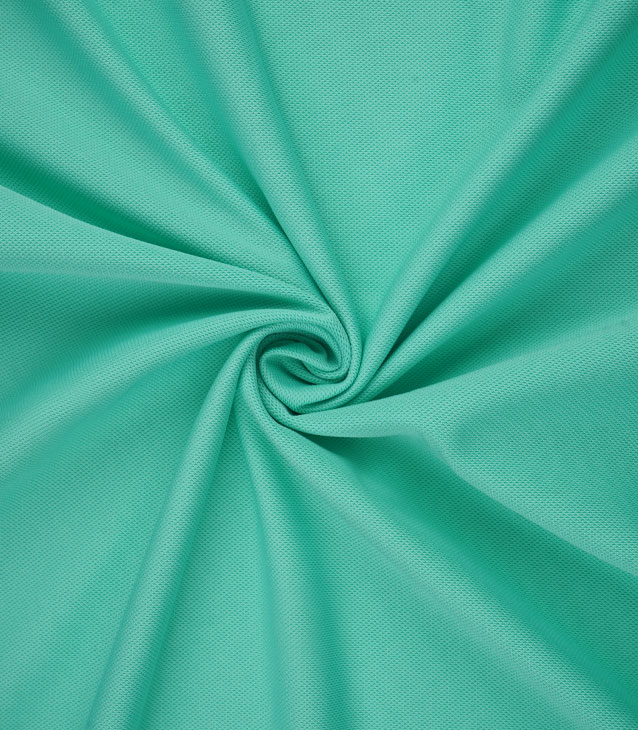
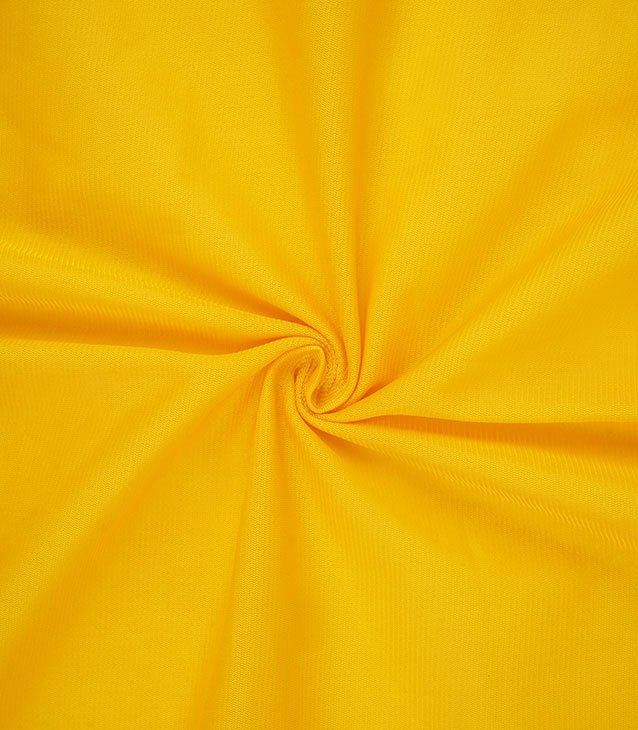
Fashion moves fast, and color moves with it. Behind every trend shade is a technical reality: the dye must penetrate the fiber, bond with it, and survive washing, sunlight, and wear. A beautiful color that fades after five washes is not a fashion success. It is a production problem. For knitted fabrics, color also interacts with structure. Mesh, interlock, fleece, and swimwear knits each hold dye differently. The same recipe can look deeper on a dense fabric and lighter on an open mesh.
Dyeing is a controlled chemical process with three main stages: preparation, dye application, and fixation. Preparation removes oils, sizes, and impurities so the fiber accepts color evenly. Dye application brings the dye liquor into contact with the fabric under precise temperature and pH conditions. Fixation locks the dye inside the fiber so it does not wash out.
Different fibers demand different dye classes. Polyester usually takes disperse dyes under high temperature. Cotton and cellulosic blends respond to reactive dyes. Nylon, often used in swimwear and mesh, takes acid dyes.
Most knitted fashion fabrics are dyed in one of three ways, depending on structure, order quantity, and the desired color effect.
| Method | Best for | Color character | Typical use |
|---|---|---|---|
| Piece dyeing | Knitted rolls | Solid, even shade | Sportswear, swimwear, fashion basics |
| Yarn dyeing | Stripes and patterns | Color in the yarn before knitting | Structured knits, accents |
| Garment dyeing | Finished garments | Soft, washed-down look | Casualwear, vintage effects |
Piece dyeing is the workhorse for cut-and-sew fashion, offering flexibility on shade and efficiency for medium to large orders. Yarn dyeing creates color interest without surface printing. Garment dyeing gives a relaxed, lived-in appearance that many contemporary brands want.
 Warp Knitted Swimsuit Cloth for High-Performance SwimwearThis warp-knitted swimsuit cloth offers smooth, soft stretch and recovery, breathable comfort, and suitability for swimwear exposed to chlorine and salt water.View Product →
Swimwear is one of the most demanding categories for color fastness. Chlorine, salt water, and sunlight attack dyes from every direction. A swimsuit cloth must be engineered not only for stretch and recovery but also for color that stays put.
After dyeing, the fabric moves into finishing. This is where color becomes durable and where the surface gets its final character. Finishing can make a knit softer, smoother, more matte, more lustrous, water repellent, or resistant to pilling. It can also change how the color reads. A calendered surface may look deeper; a brushed surface may appear lighter and more diffuse.
For fashion fabrics, finishing often separates an ordinary knit from a premium one. The hand feel, drape, and surface sheen all come from this stage.
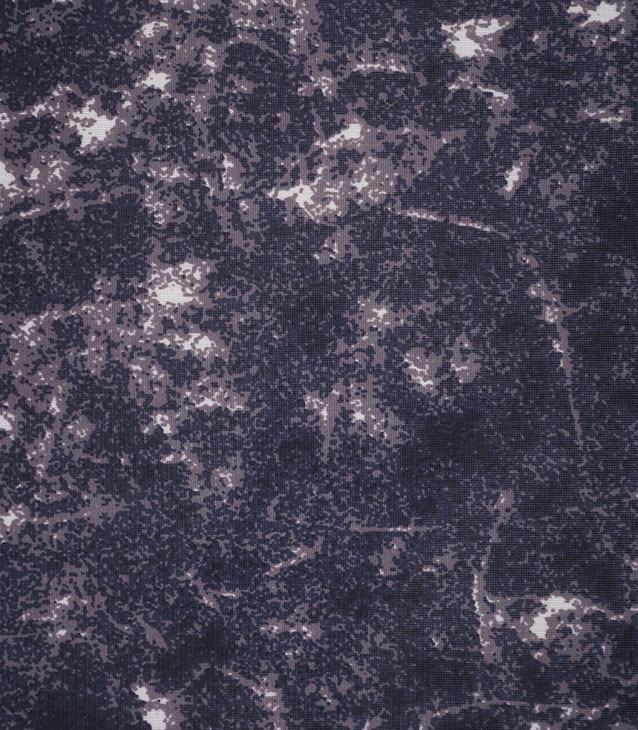 Printed Warp Knitted Polyester Fabric by QidaThis printed warp-knitted polyester combines a smooth, durable structure with clear pattern detail, lightweight softness, and easy-care wrinkle resistance for fashion and accessories.View Product →
Printed knits show how dyeing and finishing overlap. The base fabric may be dyed first, then printed with a pattern, then finished to protect the print. Each step must respect the color targets. If the finishing temperature is too high, some pigments can shift.
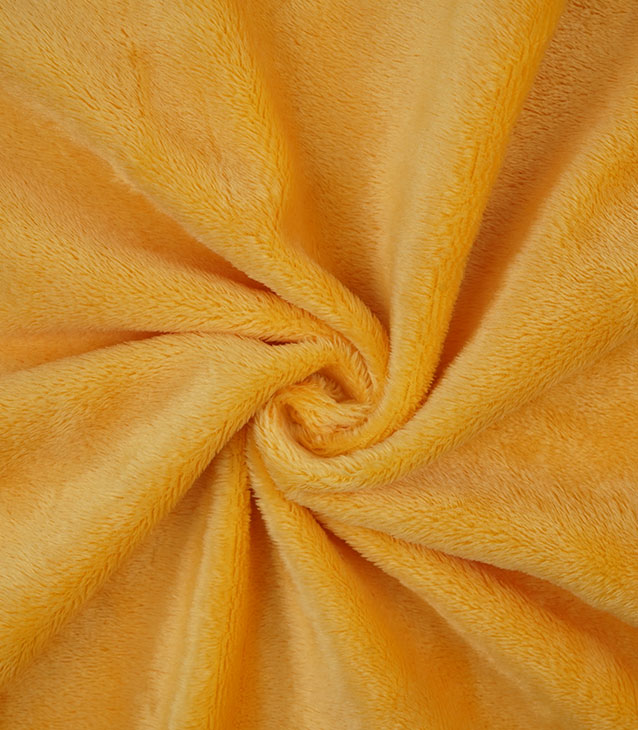
Trend forecasts arrive as color chips, mood boards, and Pantone references. Turning them into bulk fabric is collaborative. The mill must interpret the reference under real lighting, on the actual fabric structure, and with the available dye chemistry. A color that looks perfect on a paper card can behave differently on a textured loop velvet or a shiny mesh dazzle.
This is why we encourage buyers to share not only the color code but also the intended end use. A color for a summer dress needs different fastness than a color for a sofa. The more context the mill has, the better the first lab dip will be.
 Warp Knitted Mesh Dazzle Fabric by QidaThis warp-knitted mesh dazzle fabric combines breathable moisture-wicking comfort with a subtle sheen that changes how color appears, suited to sportswear, fashion, and technical applications.View Product →
Mesh dazzle fabrics have a subtle sheen that changes how color appears. A bright red may look more crimson on a glossy mesh than on a matte jersey. Experienced mills adjust the recipe before bulk production, not after.
Color consistency is a quality promise. Mills control it through lab dip approvals, bulk dyeing parameters, and regular color checks under standardized lighting. Spectrophotometers help measure color numerically, but experienced eyes still matter. Fastness testing covers washing, rubbing, perspiration, light, and chlorine. For fashion garments, washing and rubbing fastness are especially important. For swimwear, chlorine and light fastness are critical. Our own quality approach links product quality to employee responsibility, and we allow inspection by our team or by third parties according to customer requirements.
Sustainability is part of the specification, not a side topic. Brands ask about water use, energy consumption, chemical safety, and the durability of the finish. A finish that washes out quickly is not only a performance problem; it is a waste of resources.
One area of progress is water repellency. Traditional repellents often rely on fluorine chemistry, but the industry is moving toward fluorine-free water repellency options that reduce environmental impact while still protecting the fabric. Dyehouses are also improving wastewater treatment, recovering heat, and optimizing recipes to reduce re-dyeing.
The best color results come from early collaboration. Share your target market, your fabric structure, your fastness expectations, and your timeline. A mill with in-house knitting, dyeing, and finishing can control more variables and respond faster. That integrated setup also helps when a color needs adjustment.
If you are developing a new range, start with a small set of lab dips on the actual fabric. Review them under daylight and store lighting. Test the hand feel after finishing, not just the color. And discuss the finishing route before bulk, because the final surface can change the shade. You can learn more about our factory capabilities and how we manage each stage from yarn to finished roll.
Whether you are building a swimwear collection, a sportswear line, or a home textile range, color is never an afterthought. It is a decision that flows through fiber, dye, machine, and finish. Work with a mill that treats it that way, and your colors will hold up on the shelf and in real life.

27th floor , South building, 1358# Mingzhu North Road, Changxing County Zhejiang province, China

+86-13665757726

+86-0572-6228207

+86-0572-6228207


Copyright © ZHEJIANG QIDA TEXTILE CO., LTD. Rights Reserved. Activewear Fabric Suppliers Sportswear Fabric Manufacturers



 English
 中文简体
中文简体