Home / News / Industry news / Combed Yarn Explained: Softness, Strength, and Smarter Fabric Sourcing

2026-10-20
Combed yarn has a quiet reputation in textile sourcing. It is not a new fiber, a brand, or a finish. It is a spinning route that removes short fibers and leaves longer ones aligned before the yarn is twisted. The result is a cleaner, smoother, and usually stronger yarn that behaves differently on a knitting machine and in the finished fabric. For buyers, the practical question is not whether combed yarn is “better” in some absolute sense. It is whether the extra cost buys a visible benefit in the garment, home textile, or technical fabric being developed.
Content
All cotton and many wool blends begin with carding. Carding opens the fiber mass, removes some trash, and arranges fibers into a loose sliver. That carded sliver still contains a wide range of fiber lengths. Combed yarn goes one step further. The sliver passes through a combing machine that removes short fibers, often called noils, and straightens the longer fibers into a more parallel arrangement. The combed sliver is then drawn, roved, and spun.
Because the short fibers are gone, combed yarn has fewer protruding ends. It feels smoother, reflects light more evenly, and tends to produce fewer pills in the first washes. It can also be spun finer than carded yarn from the same fiber, which is why fine-gauge knits and lightweight shirting often specify combed counts. The trade-off is yield: combing removes material, and that material has a cost. Combed yarn is therefore usually more expensive than carded yarn of comparable fiber content.
Combed yarn is a process description, not a fiber content. Combed cotton, combed wool, and combed blends all exist. A label that says “combed cotton” tells you how the cotton was prepared, not whether it was grown organically, dyed naturally, or finished with a particular softener.
| Attribute | Carded yarn | Combed yarn |
|---|---|---|
| Fiber length | Mixed lengths retained | Short fibers removed |
| Surface | More texture and protruding ends | Smoother and cleaner |
| Strength | Moderate | Usually higher |
| Uniformity | More variation | More even |
| Pilling tendency | Higher risk | Lower risk, but not zero |
| Cost | Lower | Higher |
| Typical use | Casual knits, fleece, denim | Fine knits, underwear, activewear, shirting |
The table is a starting point, not a rule. A well-run carded yarn can be perfectly suitable for a brushed fleece or a rustic sweater. A poorly specified combed yarn can still pill if the twist, fiber length, and finishing route are wrong. The value of combing is greatest when the fabric needs a clean surface, fine gauge, or a smooth next-to-skin hand.
In knitting, yarn quality is amplified by the stitch. A small variation in yarn diameter can show up as a barré line, a needle line, or an uneven dye result. Combed yarn’s more consistent fiber arrangement helps the knitter hold a steady stitch density and reduces the amount of fly and dust on the machine. That matters on high-speed circular knitting and on fine-gauge warp knitting, where a few broken filaments can interrupt a long run.
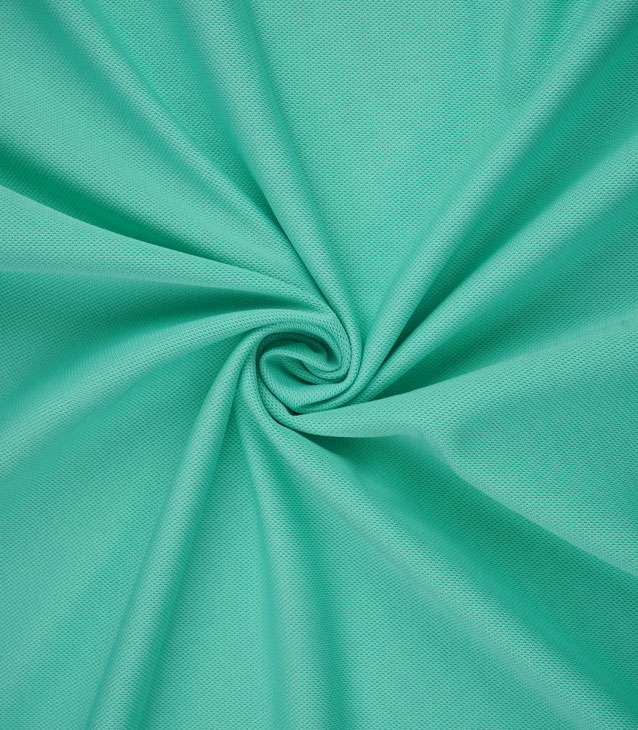
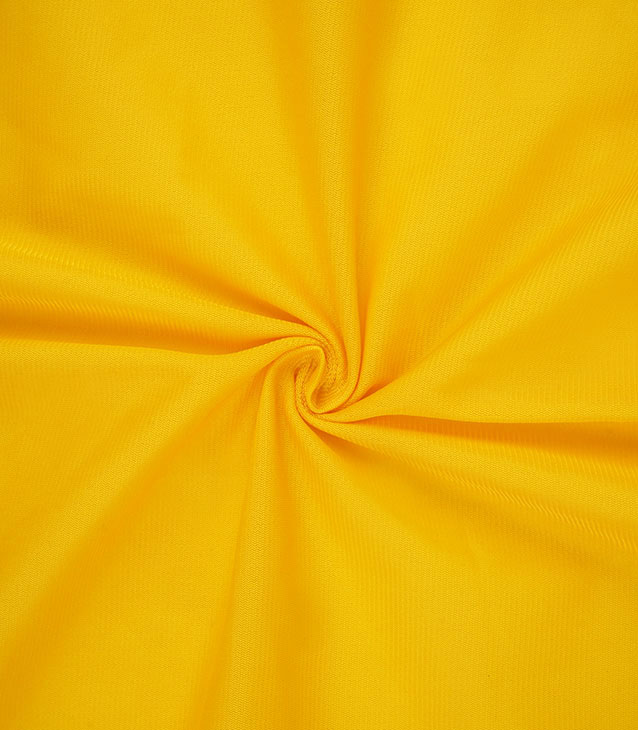
For a dense, smooth weft-knit structure such as interlock, combed yarn can help the fabric keep a flat, even surface after washing.
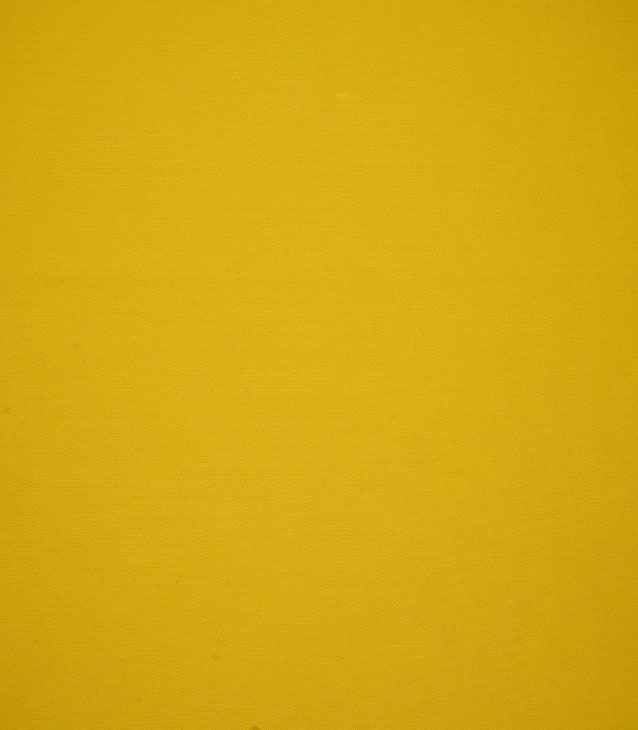 Interlock Weft Knitted Fabric for Smooth, Stable KnitsA double-sided interlock with a smooth, even surface, stretch and shape retention; relevant where combed yarn and dense weft knits are discussed.View Product →
The same logic applies to warp-knitted qualities that rely on a soft, uniform hand feel. Combed yarn does not guarantee a good fabric on its own, but it gives the knitter a cleaner starting point.
Combed yarn is usually the right choice when the fabric is close to the skin, the color is deep or bright, or the stitch must stay sharp through repeated laundering. Fine-gauge single jersey, interlock underwear, lightweight activewear, swimwear linings, and crisp shirting are common examples. In these end uses, the smoother surface and lower short-fiber content can improve comfort, reduce pilling, and help dye appear more uniform.
Carded yarn still has a place. Brushed fleece, chunky sweaters, felted fabrics, and some industrial textiles can use carded yarn without a visible penalty. In those cases, paying for combing may add cost without improving the customer experience. The decision should follow the fabric brief: hand feel, wash durability, surface appearance, and the price the market will accept.
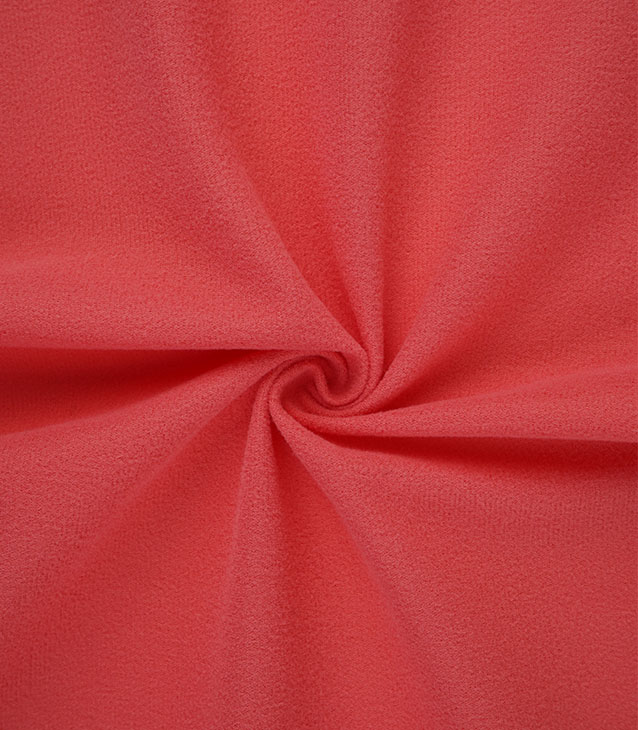
Mercerized cloth is a useful example of how combing and finishing can work together.
 Warp Knitted Mercerized Cloth with Stable Structure and SheenCombines a tight warp-knit construction with mercerization for dimensional stability, a smooth surface and luster, complementing discussions of combing and finishing.View Product →
A smooth, well-aligned yarn gives the mercerizing process a better base, while the finish adds luster and strength. Neither step replaces the other.
When you write a yarn specification, vague language creates room for surprises. Use the following checklist as a starting point.
These questions are not about catching a supplier out. They help both sides agree on what “combed” means for a specific order, because combing levels and raw material choices vary between mills.
At our mill, yarn approval is a fabric-development decision. We have been making knitted fabrics since 1998, and we have learned that a yarn that looks excellent on a cone can still behave differently once it meets a needle, a warp beam, or a dye bath. Our knitting floor checks stitch clarity, running performance, and shade consistency before a combed yarn is released into bulk production.
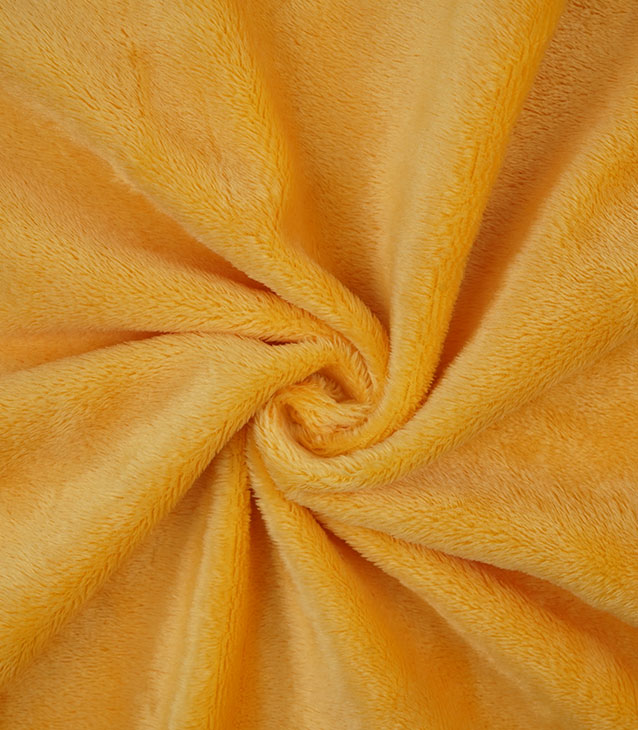
We work with 62 Karl Mayer warp knitting machines, 100 circular knitting machines, and a range of finishing routes, so the same yarn may be evaluated in more than one construction. For a super-soft warp-knitted hand feel, we may pair a combed yarn with the right stitch and finishing route rather than assuming that the yarn alone will deliver the result.
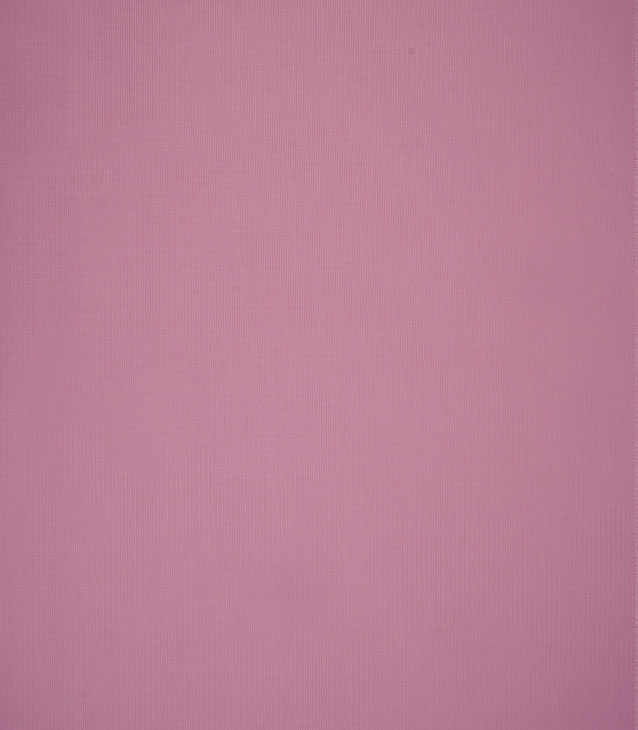 Super Soft Warp Knitted Fabric for Plush TextilesAn ultra-soft, velvety warp knit with a uniform finish, suited to blankets, baby products and accessories where finished hand feel matters.View Product →
That approach keeps the conversation grounded in the finished fabric, not in a single yarn parameter.
Combed yarn is a useful tool, not a universal upgrade. It makes the most sense when the fabric needs a smooth surface, fine gauge, good strength, and a clean base for dyeing. It makes less sense when the end product is heavily brushed, felted, or cost-sensitive and the short fibers would not be visible anyway.
If you are sourcing fabric, start with the end use and work backward to the yarn. Ask for combed yarn where the stitch, color, or skin contact justifies it, and accept carded yarn where it does not. You can learn more about our mill and how we approach fabric development, or contact our team with the construction, weight, and performance targets for your next project.

27th floor , South building, 1358# Mingzhu North Road, Changxing County Zhejiang province, China

+86-13665757726

+86-0572-6228207

+86-0572-6228207


Copyright © ZHEJIANG QIDA TEXTILE CO., LTD. Rights Reserved. Activewear Fabric Suppliers Sportswear Fabric Manufacturers


 English
 中文简体