Home / News / Industry news / The Customization Trend in Apparel Fabric: What Wholesale Buyers Should Know

2026-10-26
Customization is one of those words that sounds like it came out of a marketing meeting. On the mill floor it looks far more ordinary, and far more interesting. A buyer sends a swatch with a note attached: the hand-feel is right, but the stretch is wrong, can we keep the drape and add recovery? Another asks whether the same quality can run a little lighter for a summer delivery to Brazil while the Polish order stays where it is. That, more than any trend report, is what the customization trend looks like in its working clothes.
Content
Most commentary on personalization focuses on what shoppers see: monograms, print-your-own sneakers, configurators that let you pick a lining color. Those are real, and they matter. But behind every one of them sits a fabric decision, whether that is a different weight, a different blend, a different finish, a narrower width, or a color matched to a reference that did not exist eighteen months ago.
Two shifts have pushed that work upstream. First, direct-to-consumer brands build ranges around small, tested drops rather than full seasonal lines, so a quality has to be viable at lower volumes and repeatable at short notice. Second, digital sampling and 3D prototyping mean fabric is chosen and evaluated earlier in the calendar. Buyers can iterate on a fabric in software before anyone cuts a meter, which raises the expectation that the mill can iterate in a similar rhythm.
There is a cultural layer as well. Younger shoppers have been vocal about authenticity, inclusivity and sustainability, and those preferences turn into very concrete requirements: extended size ranges that need consistent stretch and recovery across the whole curve, traceable fiber content, and production methods that do not leave mountains of unsold stock behind.
For a long time customization lived in the finishing department, as a print, an embroidery or a woven label. What changed is that the request now arrives at the knitting stage. A brand selling the same silhouette in four markets with four different climates needs four slightly different fabrics, not one compromise quality wrapped in four marketing stories.
Three practical pressures sit behind this shift:
After enough sampling rounds, most requests fall into four buckets. Knowing which bucket you are in, and which second bucket you are inevitably also touching, saves a great deal of back-and-forth.
| Request type | What changes at the mill | Typical end use |
|---|---|---|
| Hand-feel and surface | Yarn choice, brushing, peaching, mercerizing, calendering | Next-to-skin activewear, loungewear, mattress ticking |
| Structure and stretch | Knit type, gauge, elastane percentage, heat setting | Swimwear, scuba-type fashion, sofa covers |
| Color and pattern | Yarn dyeing versus piece dyeing, printing route, brightness | Fashion capsules, team kits, home textiles |
| Performance | Moisture transport, fluorine-free repellency, pilling resistance | Outdoor, training wear, protective clothing |
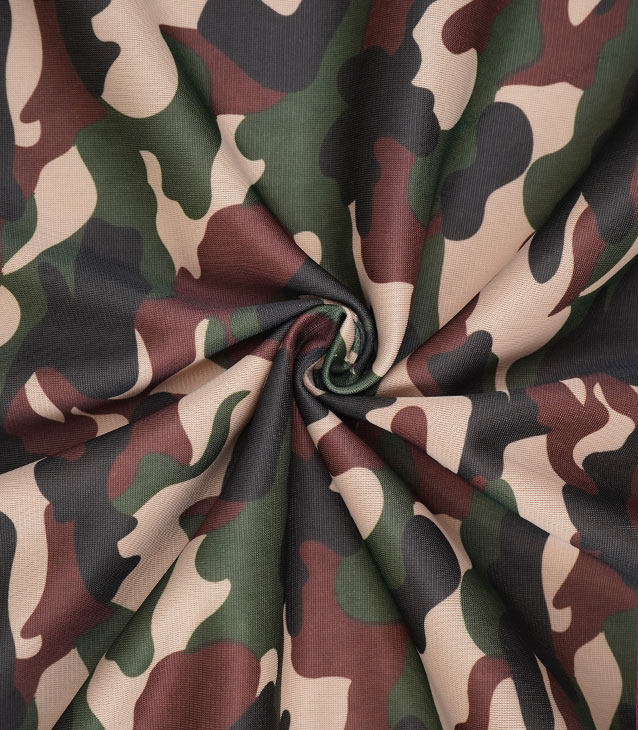
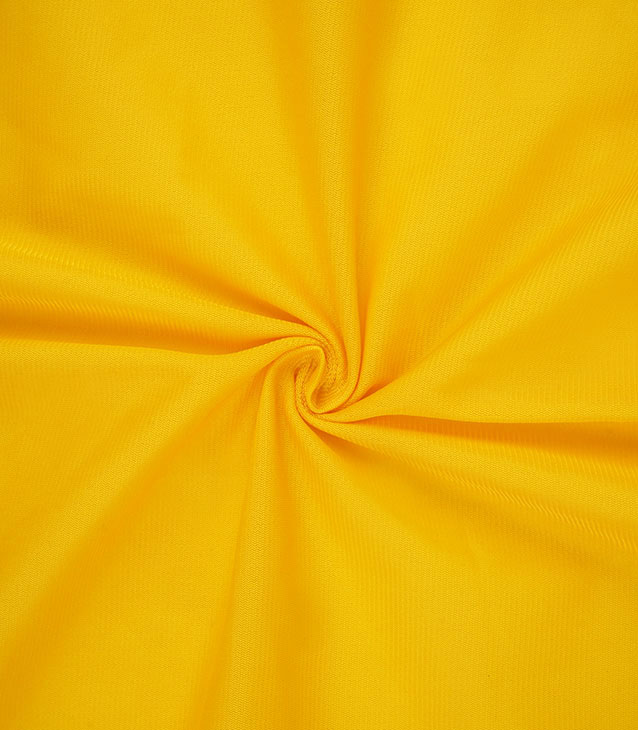
Structured fashion pieces are a good example of a brief that looks aesthetic but is really mechanical. A scuba-type weft knit gives body and a clean edge, and once a designer asks for it slightly softer or slightly firmer, the conversation moves to gauge, yarn and heat setting rather than surface decoration.
 Weft Knitted Scuba Fabric for Structured FashionA dense, smooth weft knit with slight stretch and shape retention, suited to structured fashion and sportswear pieces that need a clean, contoured fit.View Product →
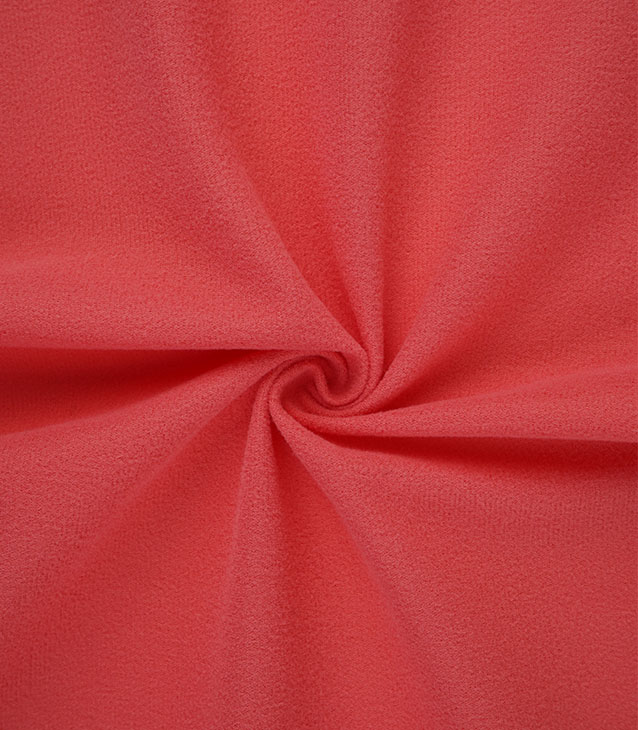
People are often surprised by how physical the answer is. On the warp knitting side, our 62 warp knitting machines and 22 warping machines give us room to move on gauge, mesh geometry and yarn choice, while the elasticizers let us tune stretch without rebuilding the structure from scratch. A request for a lighter, airier mesh for a training top is a different machine setting and a different yarn, not a different fabric family.
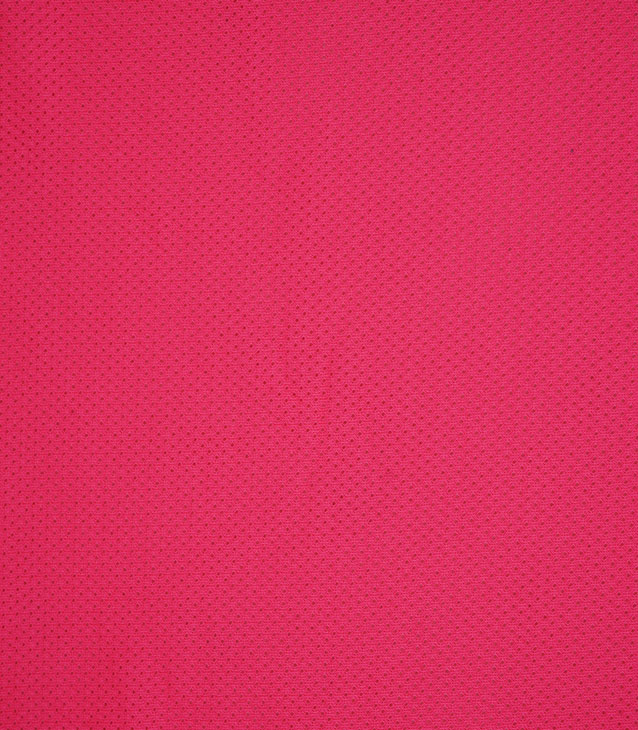 Breathable Warp Knitted Polyester Mesh FabricA lightweight, stable polyester mesh with consistent openings for airflow and abrasion resistance, useful for sportswear, linings and breathable textile applications.View Product →
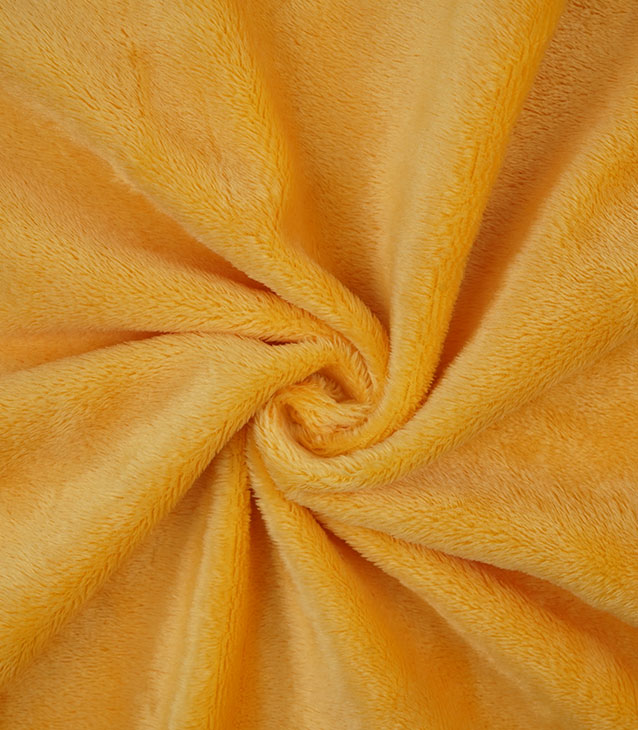
Hand-feel is a separate axis. Softness can be engineered through yarn selection, through finishing, or through both. When a customer says a fabric feels a little papery against the skin, that is usually a finishing conversation first and a yarn conversation second, and it is one of the most common reasons a sample comes back for a second round.
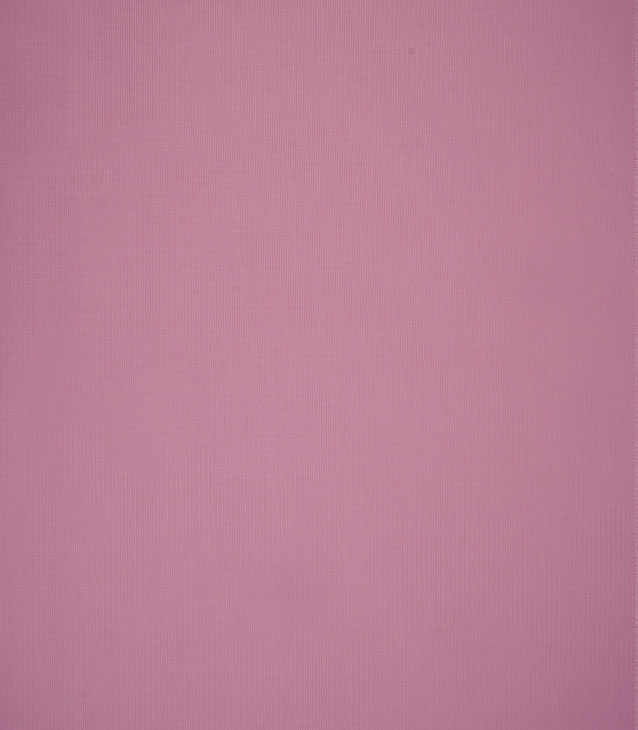 Super Soft Warp Knitted Fabric for Home TextilesAn ultra-soft warp knit with a smooth, uniform surface, suited to blankets, pillowcases, upholstery and baby products where comfort and a refined finish matter.View Product →
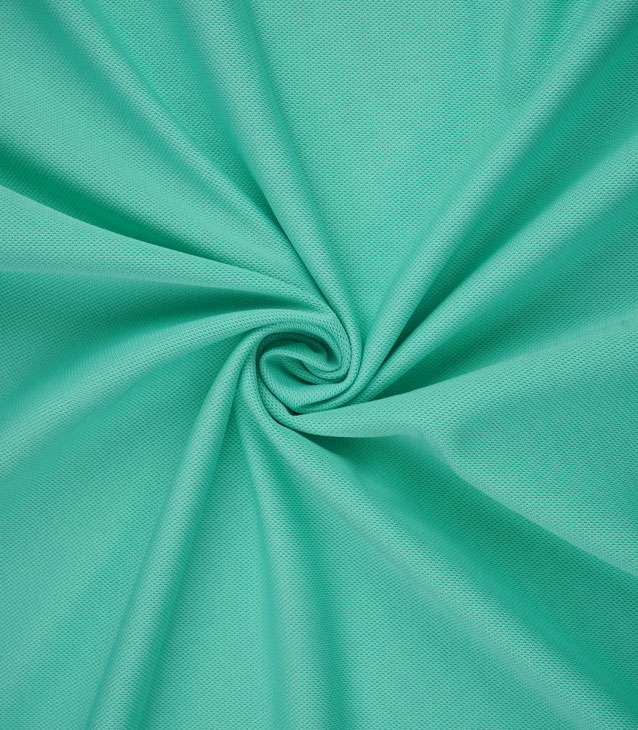
On the weft side, our circular knitting machines cover interlock, mesh and scuba-type qualities, which is where most shape and structure requests land. The spunbond and meltblown lines take us into nonwoven territory for protective applications, where customization tends to be about filtration performance and documentation rather than appearance. Velour-type and fleece qualities, meanwhile, serve the mattress and upholstery side of the business, where the brief is usually about durability and a consistent surface.
Customization is not infinite, and a mill that pretends otherwise will disappoint you eventually. The honest constraints look like this:
Our machine list and production setup are described on the factory page if you would like to check what is feasible before sending a brief.
The briefs that move fastest tend to follow the same pattern:
If you are still working out which properties matter most for a given construction, our guide to warp knitted fabric durability and comfort is a sensible place to start.
The direction of travel seems fairly clear. Runs will get smaller and more frequent. Color approval will keep moving into digital workflows, with physical submits reserved for confirmation rather than exploration. Recycled and traceable yarns will shift from a premium option to a standard line item, especially for European buyers whose own customers are already asking where the fiber came from.
What probably will not change is the part that makes this work interesting. Customization is a conversation between a design intention and a machine, and the best results come when both sides are described honestly at the start: silhouette and end use from the brand, practical envelope from the mill.
If you are weighing a change to an existing quality, or starting from a swatch and a rough idea, we are always glad to look at it with you. More than twenty-five years of sampling has taught us that most good fabrics begin as a fairly ordinary question.

27th floor , South building, 1358# Mingzhu North Road, Changxing County Zhejiang province, China

+86-13665757726

+86-0572-6228207

+86-0572-6228207


Copyright © ZHEJIANG QIDA TEXTILE CO., LTD. Rights Reserved. Activewear Fabric Suppliers Sportswear Fabric Manufacturers


 English
 中文简体