Home / News / Industry news / Warp Knitted Polar Fleece Fabric: Properties, Applications & Sourcing Guide
2026-06-22
What Sets Warp Knitted Polar Fleece Apart
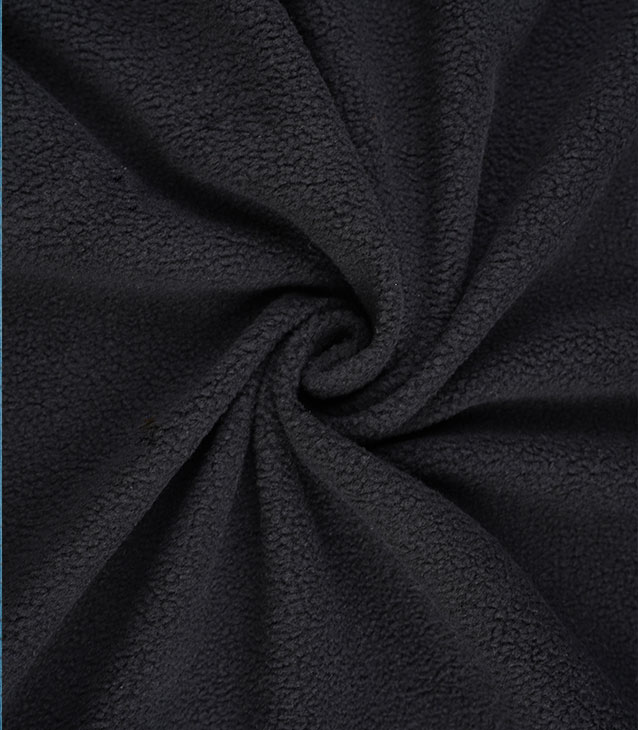
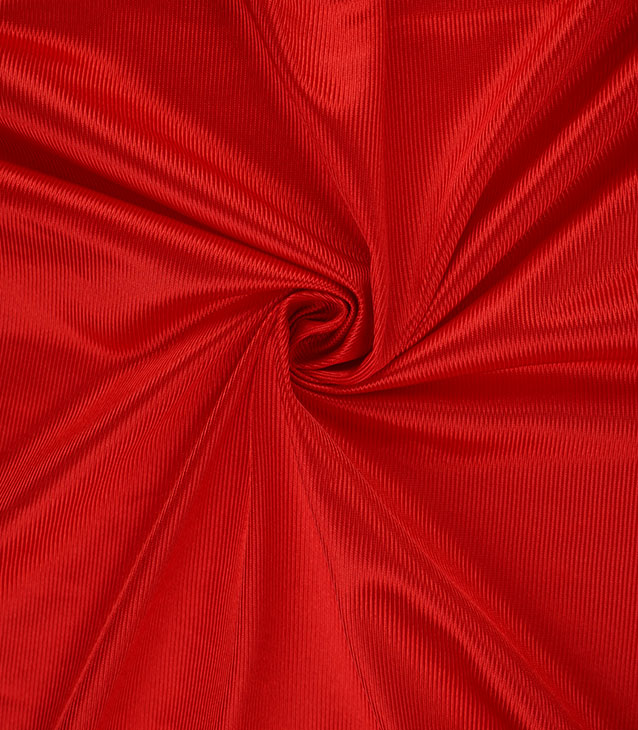
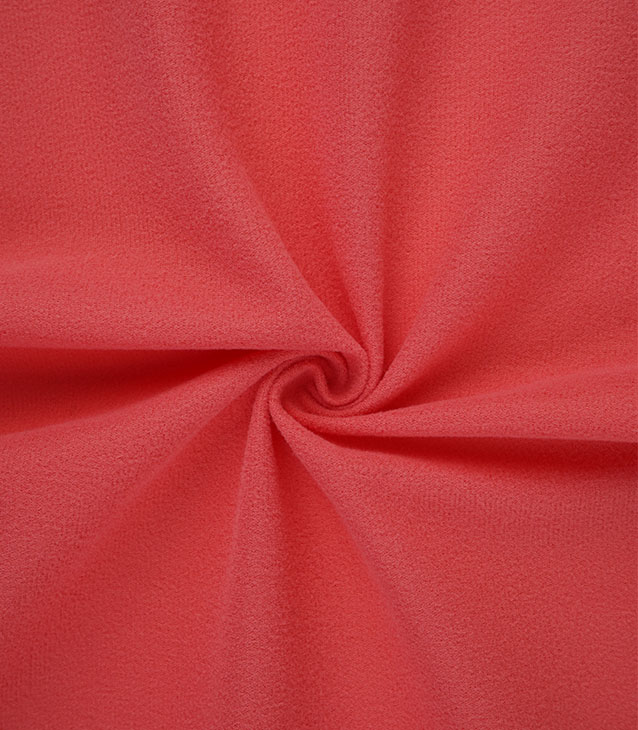
Not all polar fleece is built the same way. The construction method — how the yarns are looped together — determines everything from surface uniformity to long-term durability. Warp knitted polar fleece uses a lengthwise yarn structure where each filament interlocks diagonally with adjacent yarns across the fabric width. The result is a dense, stable base that resists edge curl, distributes stress evenly, and holds its shape through repeated use and washing.
In standard weft knitted fleece, a single broken loop can cause a run that propagates vertically through the fabric. Warp knitting eliminates that risk. The diagonal interlocking geometry means damage stays localized — a structural advantage that directly translates to longer garment life and fewer quality complaints at retail. For wholesale buyers specifying fabric for high-volume production, this is not a minor technical detail; it is a meaningful difference in return rates and brand reputation.
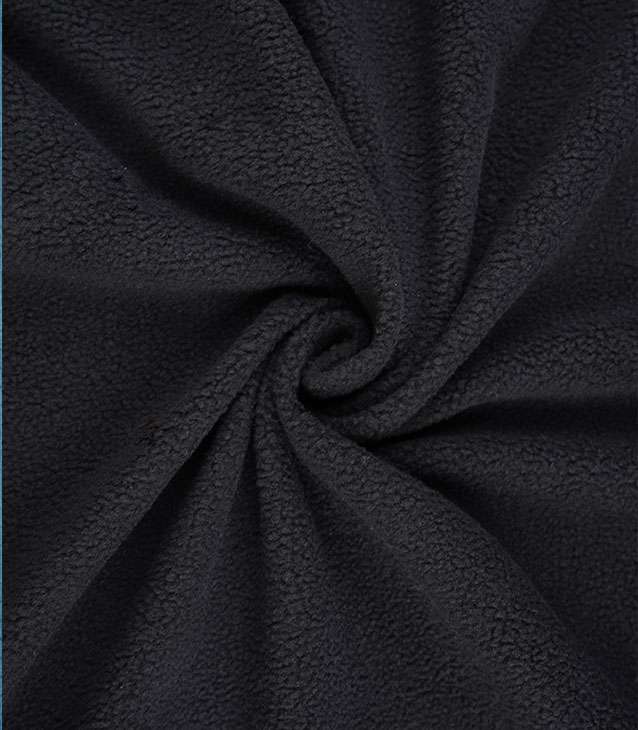
The warp knit base also provides the foundation for a more uniform brushed surface. Because the ground structure is tighter and more dimensionally stable, the brushing and shearing process that creates fleece's signature pile can be applied more consistently, producing a denser, more even nap across the full roll width. That uniformity matters especially when cutting multiple layers for production runs — color, texture, and hand feel remain consistent from edge to edge.
Qida's warp knitted fabric collection for apparel and activewear is built on this construction principle, with polar fleece as one of its core offerings for cold-weather and comfort-driven applications.
Content
Warp knitted polar fleece earns its place in both performance apparel and home textile programs because it delivers across five properties simultaneously — a combination few fabric categories can match.
The brushed pile creates thousands of microscopic air pockets within the fabric structure. These pockets trap body heat and act as a passive insulation layer without adding bulk. The result is a warmth-to-weight ratio that consistently outperforms woven wool alternatives at equivalent thickness — a key advantage for designers working within weight budgets for layering systems or travel apparel.
The surface texture is defined by a fine raised pile that delivers immediate softness on contact. The hand feel is consistent across the fabric face — no rough patches, no variation between roll sections — which matters for applications where the fabric sits directly against the skin, such as lounge tops, children's outerwear, and blanket liners.
Despite its insulating capability, warp knitted polar fleece allows moisture vapor to pass through the fabric layer. This breathability prevents heat buildup during moderate activity, making the fabric suitable not just for sedentary warmth applications but also for active end uses where thermal regulation matters. Moisture does not accumulate at the skin surface, which keeps the wearer comfortable across a wider range of conditions.
Pilling — the formation of fiber balls on the fabric surface through friction — is the most common quality failure in fleece products. It degrades appearance quickly and signals poor construction to end consumers. Warp knitted polar fleece addresses this through the stability of its knit base: the tightly interlocked ground structure limits free fiber ends available at the surface, and the shearing process during finishing removes loose fibers before the fabric reaches production. The outcome is a fabric that maintains its surface appearance through extensive laundering, supporting longer product lifespans and fewer post-sale complaints.
The warp knit structure provides controlled stretch in both the length and width directions. Fabric recovers to its original dimensions after extension, which means finished garments retain their shape across a season of wear. For fitted applications such as fleece jackets, athletic mid-layers, or snug blanket constructions, this recovery behavior is essential to maintaining the intended silhouette.
Fabric weight — measured in grams per square meter (GSM) — is the primary variable buyers adjust when specifying polar fleece for different end uses. It drives insulation level, drape, hand feel, and care complexity. The following guide maps weight ranges to their most appropriate applications.
| Weight Category | GSM Range | Best Applications | Key Characteristics |
|---|---|---|---|
| Lightweight | 150–200 gsm | Activewear mid-layers, vests, spring/fall jackets | Flexible, breathable, easy to layer |
| Medium Weight | 200–280 gsm | Hoodies, casual outerwear, everyday blankets | Balanced warmth and versatility, most common range |
| Heavyweight | 280–350 gsm | Winter jackets, plush throw blankets, home textile linings | Maximum insulation, substantial drape, premium feel |
For buyers sourcing across multiple product categories, medium-weight fleece in the 220–260 gsm range offers the broadest versatility — it works equally well in casual apparel and home textile programs without requiring separate fabric specifications. Buyers building a dedicated winter outerwear line typically step up to the 300+ gsm range, where thermal mass is sufficient to serve as a standalone outer layer in mild cold conditions rather than purely as a mid-layer.
When reviewing bulk fabric against an approved sample, always verify GSM with a laboratory measurement rather than relying on hand feel alone. A deviation of 15–20 gsm — imperceptible to touch — can meaningfully affect drape, recovery, and insulation behavior in the finished product.
Warp knitted polar fleece serves three distinct market segments, each with different performance priorities. Understanding where the fabric excels in each context helps buyers match the right weight and finish to the right program.
Fleece's combination of warmth, stretch, and breathability makes it a staple for cold-weather and transitional apparel. The most common applications include fleece jackets and zip-up pullovers, hooded sweatshirts, athletic warm-up layers, thermal pants, and children's outerwear. The fabric's non-fraying edge — a direct consequence of the warp knit construction — simplifies garment construction and reduces the need for additional seam finishing, which translates to lower production costs per unit at volume. For brands running activewear programs, warp knitted polar fleece also pairs well with mesh panels; Qida's warp knitted polyester mesh fabric for breathable sportswear is designed to complement fleece constructions where ventilation zones are required.
In home textile programs, polar fleece's performance profile translates directly to consumer satisfaction metrics: it is warm without being heavy, soft against the skin, machine washable, and quick to dry. Heavyweight fleece in the 300–350 gsm range is the standard specification for throw blankets and bedding products where maximum thermal comfort is the priority. Medium-weight options serve travel blankets and lightweight throws where packability matters. The fabric's resistance to pilling is especially important in this category — blankets are laundered frequently, and surface degradation after only a few washes is the single most common source of negative product reviews in the home textile segment.
Beyond apparel and blankets, warp knitted polar fleece has established a consistent position in interior decoration applications where softness and warmth are aesthetic as much as functional requirements. Cushion covers, decorative pillow liners, curtain backings, and upholstered accent pieces all benefit from the fabric's plush surface texture and dimensional stability. The fine raised surface creates visual depth and tactile richness that elevates the perceived quality of finished home goods. For brands and designers working in this space, Qida's super soft warp knitted fabric for loungewear and casual wear offers a related option when a particularly fine, silky surface character is required alongside the warmth properties of fleece.
For buyers sourcing warp knitted polar fleece at volume, the operational details matter as much as the fabric specification. The following covers the practical parameters that govern order planning and customization at Qida.
Fabric is delivered rolled, which optimizes handling efficiency at the receiving end and minimizes surface compression that can flatten the pile during storage. Rolled packaging also simplifies inspection — a single unwinding motion gives quality control teams full visibility of the fabric face without re-handling individual folded lengths.
Standard polar fleece specifications can be adjusted to meet specific program requirements. Color customization is available through lab dip matching, allowing brands to align fabric color with existing seasonal palettes or proprietary color standards. GSM adjustments within the available weight range enable buyers to fine-tune thermal performance without changing fabric type. Surface finish variations — including pile height and shearing intensity — are also accessible for buyers with specific hand-feel targets. Buyers with non-standard requirements are encouraged to contact Qida directly for a personalized quote, as production parameters can be discussed before committing to bulk orders.
Before placing a production order, buyers should request physical samples and verify the following against their specifications: GSM (laboratory measurement, not hand-feel estimate), pilling resistance grade, color fastness to washing, and dimensional stability after a standard laundering cycle. Establishing these parameters at the sample stage prevents costly deviations in bulk that require rework or impact delivery schedules. Qida's production process maintains consistent knit density and pile uniformity across rolls, but confirming against approved samples remains standard practice for responsible sourcing.

27th floor , South building, 1358# Mingzhu North Road, Changxing County Zhejiang province, China

+86-13665757726

+86-0572-6228207

+86-0572-6228207


Copyright © ZHEJIANG QIDA TEXTILE CO., LTD. Rights Reserved. Activewear Fabric Suppliers Sportswear Fabric Manufacturers



 English
 中文简体
中文简体