Home / News / Industry news / Cashmere Grades Explained: A, B, C Fiber Quality Guide for Fabric Buyers
2026-09-28
Cashmere has a reputation for softness, warmth, and price, so buyers naturally look for a simple way to sort quality. That is why "cashmere grades" appear so often in sourcing conversations, retail copy, and care guides. The language sounds official, but in most cases the A, B, and C labels are trade shorthand rather than a single global standard. For fabric buyers, product developers, and brand teams, the useful question is not "Which letter is best?" but "Which measurable fiber properties and processing choices support the end product?"
Content
Cashmere is a protein fiber collected from cashmere goats. After gathering and dehairing, the fine down is separated from coarser guard hair. The quality of that down is evaluated through fiber diameter, fiber length, color, purity, and consistency. Grade labels are often assigned by traders, spinners, or brands based on some combination of those traits, but they are not enforced by one universal authority. One supplier's Grade A may be another supplier's Grade B, especially when minimum micron limits, test methods, and country-of-origin assumptions differ.
For that reason, a grade label should be treated as a starting point. It can signal that a fiber lot is finer, longer, or more uniform, but it does not describe yarn count, twist, ply, knitting gauge, dyeing, or finishing. Those downstream choices often determine whether a cashmere-blend fabric feels luxurious after several wears or develops pilling and loses shape.
Many articles and suppliers divide cashmere into three grades. The table below gives a practical overview of how those grades are often described, but the ranges should be confirmed with test reports rather than assumed from a letter alone.
| Grade label | Typical fiber diameter | Typical fiber length | Hand feel | Common positioning |
|---|---|---|---|---|
| Grade A | About 14-16.5 microns | Often 34-40 mm | Very soft, fine, smooth | Fine-gauge knitwear, scarves, luxury blends |
| Grade B | About 16.5-19 microns | Often 28-34 mm | Soft with more body | Mid-weight knits, blended yarns, everyday wear |
| Grade C | 19 microns and above | Often shorter and more variable | Coarser, may feel prickly | Heavier knits, outer layers, cost-focused blends |
Grade A is usually linked to the finest and longest fibers, which can create a very soft hand feel and good drape. Grade B is often a practical middle ground, offering softness with more durability and cost efficiency in blends. Grade C tends to contain thicker or shorter fibers, which may feel coarser and can be more prone to prickle, especially in next-to-skin wear. None of these descriptions guarantee performance in a finished knit.
Fiber diameter is measured in microns. The finer the fiber, the softer it generally feels against skin, but very fine fibers can also be more delicate. Fiber length, usually measured in millimeters, affects how well fibers hold together during spinning. Longer fibers can reduce protruding ends and may help lower pilling, while shorter fibers may need higher twist or blending to maintain strength.
Consistency matters as much as averages. A lot with a low average micron but wide variation may feel uneven and process poorly. Buyers should request micron distribution, mean fiber length, and test method details. If a supplier only says "Grade A" without data, ask for a fiber test report and a small production sample.
Even excellent cashmere fiber can become an ordinary fabric if the yarn and knit structure are wrong. Ply refers to how many yarn strands are twisted together. A two-ply yarn is generally stronger and more stable than a single-ply yarn of the same count, and it can help a light fabric resist distortion. Gauge describes the number of needles per inch in knitting. Finer gauges can create lighter, smoother surfaces, while coarser gauges produce thicker, more textured fabrics.
For cashmere blends used in sweaters, loungewear, or soft accessories, the knit construction should match the fiber's fineness. A stable interlock can help control stretch and create a smooth surface when a blend needs more body.
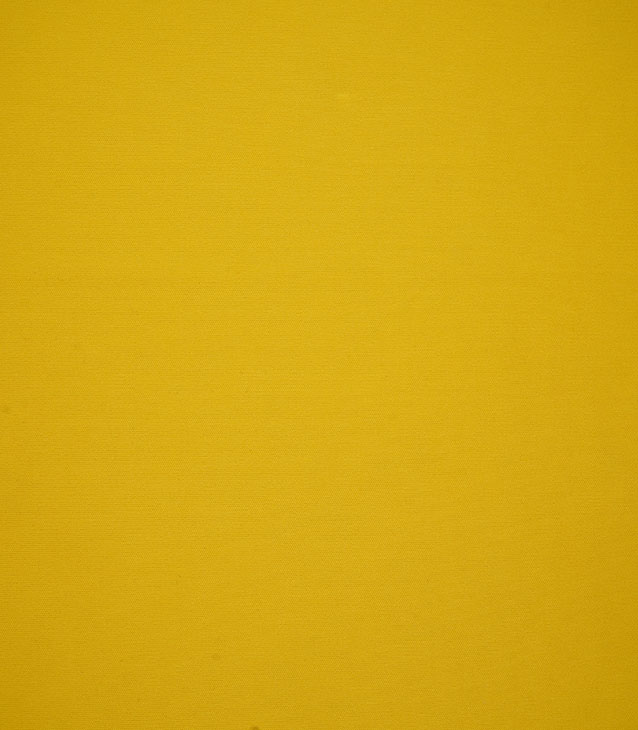 Interlock Weft Knitted FabricThis interlock weft knitted fabric offers a harmonious combination of softness, stretch, and resilience, making it a preferred choice for a wide range of applications....View Product →
When you handle a cashmere or cashmere-blend fabric, start with the surface. Fine fibers create a soft, dry touch, but a good fabric should also spring back when gently stretched. If the surface looks fuzzy or already shows loose fibers, pilling may appear quickly in wear. Check the reverse side, seams, and edges for consistency.
Next, review the specification. Ask about fiber content, yarn count, ply, gauge, weight, width, and finishing. A "100% cashmere" claim still needs micron and length data to be meaningful. For blends, the percentage of cashmere matters, but so does the quality of the other fibers and how the blend is spun. A well-made cashmere blend can outperform a poorly made pure cashmere fabric in durability and appearance retention.
For soft-touch programs, a super-soft knit can provide a comfortable base that lets fine fibers show their best qualities without relying on the grade label alone.
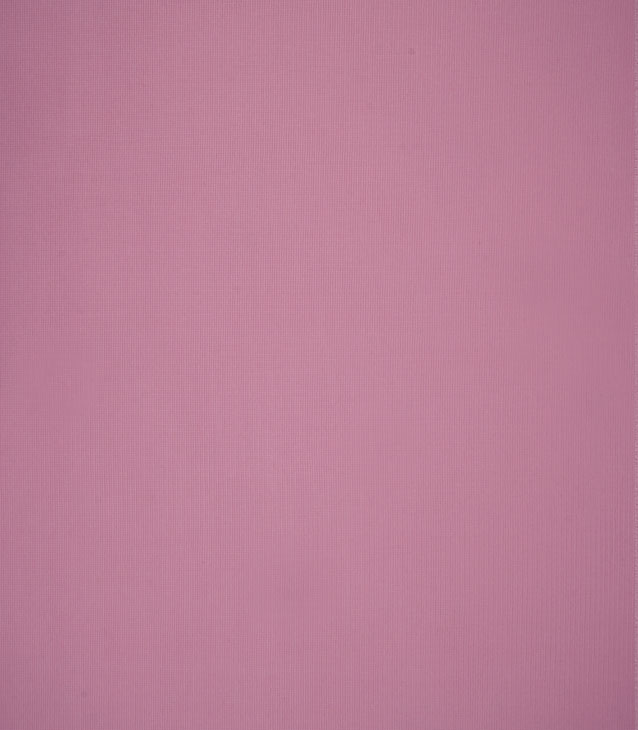 Super Soft Warp Knitted FabricOur super soft warp knitted fabrics are carefully crafted to be a must-have for companies seeking premium textiles. Designed and innovated to combine comfort, elegance...View Product →
Several myths make cashmere grading harder to navigate. It helps to separate the fiber from the finished product.
For B2B buyers, the practical approach is to match fiber data with performance requirements. A scarf, a sweater, and a mattress cover will not need the same balance of softness, strength, and cost.
Cashmere is a finite agricultural product, and demand has raised concerns about grazing pressure, animal welfare, and supply chain transparency. Buyers can ask suppliers about fiber origin, dehairing practices, traceability, and whether the mill works with certified or verified sources. Sustainable sourcing is not a grade letter, but it can be part of a responsible specification.
Processing also affects sustainability. Efficient dehairing, low-waste spinning, and careful dyeing reduce environmental impact and improve yield. A supplier that can document fiber inputs and finishing chemistry is easier to audit and more reliable for long-term programs.
As a fabric mill, we see cashmere grades most often in the context of blend development. Brands may begin with a target hand feel, warmth-to-weight ratio, and price point. From there, the fiber specification, yarn structure, knit construction, and finishing route must work together. A Grade A fiber can be wasted in a loose, low-density knit, while a carefully engineered blend using a modest grade can deliver excellent comfort and durability.
Our team has worked in knitted fabric development since 1998, and we support customers with customized fabric programs across sportswear, fashion, swimwear, home textiles, and protective applications. You can learn more about our factory capabilities, and for a deeper look at how knit structure affects performance, see our guide to warp-knitted fabric durability and comfort.
When a cashmere-blend project needs a stable knit base, we may recommend an interlock or a soft warp-knitted surface depending on the target weight and stretch. The right construction helps the fiber perform as intended and gives the final product a more predictable hand feel.
Cashmere grades can be a helpful shorthand, but they should never replace fiber data, yarn specifications, and finished fabric testing. If you are sourcing cashmere or cashmere-blend fabrics, define the performance you need first, then ask for micron, length, construction, and test evidence. That approach protects your product quality, your margins, and your customers' expectations.

27th floor , South building, 1358# Mingzhu North Road, Changxing County Zhejiang province, China

+86-13665757726

+86-0572-6228207

+86-0572-6228207


Copyright © ZHEJIANG QIDA TEXTILE CO., LTD. Rights Reserved. Activewear Fabric Suppliers Sportswear Fabric Manufacturers



 English
 中文简体
中文简体