Home / News / Industry news / Denim Defects Explained: Causes, Inspection and Prevention for Fabric Buyers

2026-11-02
Ask anyone who has cut, sewn, washed or sold denim and they will tell you the same thing: it is one of the easiest fabrics to wear and one of the hardest to manufacture cleanly. A pale streak that would vanish into a soft jersey stands out on a 12 oz indigo twill like a scar. Because denim is a warp-faced twill, almost every fault in the warp yarn or on the loom ends up on the face of the cloth, and indigo dyeing plus garment washing then amplify it.
What follows is a mill-side view of the denim defects that show up most often in fabric inspections, what causes them, how they are graded, and where they can realistically be prevented before the roll is shipped.
Content
Not every irregularity is a fault. Denim has a long tradition of slubs, neps, uneven yarn and loom-state character, and many brands pay extra for exactly that look. The difference between character and defect is usually three things: whether the irregularity is intentional and consistent, whether it affects performance (strength, shrinkage, colour fastness), and whether it falls outside the specification agreed between buyer and mill.
In practice, fabric is graded by a points system, most commonly the four-point system, and a roll is judged by points per hundred square yards rather than by the presence of any single fault. A defect that is technically present but within the agreed allowance is not a claim; a defect that crosses a cuttable panel is, even if the total points look harmless.
A large share of complaints trace back to the spinning and winding stage, long before the loom.
Yarn shade variation deserves its own mention. Indigo is applied in rope or slasher form, and beam-to-beam differences in dye uptake show up as warp-way bands that no finishing process can remove.
Once the warp is on the loom, the classic defects are mechanical in origin and usually traceable to a specific loom, shift or setting.
Wash-house defects are the fastest-growing category simply because finishing effects have become more aggressive. Uneven hand sanding, laser marks, ozone bleaching and potassium permanganate sprays all produce faults that were never present in the greige or the loom-state fabric, and responsibility is often disputed between mill, laundry and garment factory.
| Defect | Typical root cause | Where it shows | Practical control |
|---|---|---|---|
| Missing end | Weak yarn, knot failure, dropped pin | Warp-way gap in twill line | Winder clearing, stop-motion checks |
| Broken pick | Weft insertion fault, wrong tension | Horizontal gap or double line | Loom setting, weft feeder audit |
| Starting mark | Loom restart after stoppage | Dense or open band | Restart protocol, first-metre segregation |
| Shade bar | Mixed dye lots or weft lots | Horizontal colour band | Lot traceability, beam sequencing |
| Foreign fibre | Contaminated cotton, dirty blowroom | Coloured or white flecks | Opening-line cleaning, contamination guards |
| Skew and leg twist | Sanforizing and twill torque | Twisted leg after wash | Skew control, pre-shrunk trials |
| Back staining | Indigo redeposition in wash | Blue haze on weft | Bath pH control, rinsing discipline |
| Uneven sanding | Operator pressure, drum speed | Patchy highlights | Sample approval, sanding jigs |
Most denim programmes grade on a four-point basis. A fault up to 3 inches scores one point, 3 to 6 inches scores two, 6 to 9 inches scores three, and anything longer scores four, measured on the face of the fabric under agreed lighting. Points are then normalised per hundred square yards, and twenty points per hundred square yards is a familiar first-quality benchmark, though the real number is whatever the purchase order says.
Two practical points matter more than the arithmetic. First, inspection must happen on the correct viewing table with the correct light source, because indigo hides some faults and exaggerates others depending on angle. Second, a low total score does not guarantee usable fabric: a single defect in the middle of a front panel costs more than ten small ones near the selvedge, which is why many buyers ask for defect mapping rather than a single number.
The mills with the lowest claim rates are rarely the ones with the largest inspection departments. They are the ones that treat defects as process signals:
None of this is exotic. It is mostly discipline, and it is far cheaper than air-freighting replacement rolls.
Our own business is knitted fabric rather than denim, but the logic travels well. At Zhejiang Qida Textile we have been running warp knitting and circular knitting since 1998, and the defects that cost our customers money are the same family: a yarn fault that becomes a visible line, a machine restart that leaves a band, a shade difference between two rolls that only appears under the cutting room lights. You can read more about the equipment and floor layout behind that work on our factory page, and about how we match structure to end use in this guide to choosing the right weft knitted fabric.
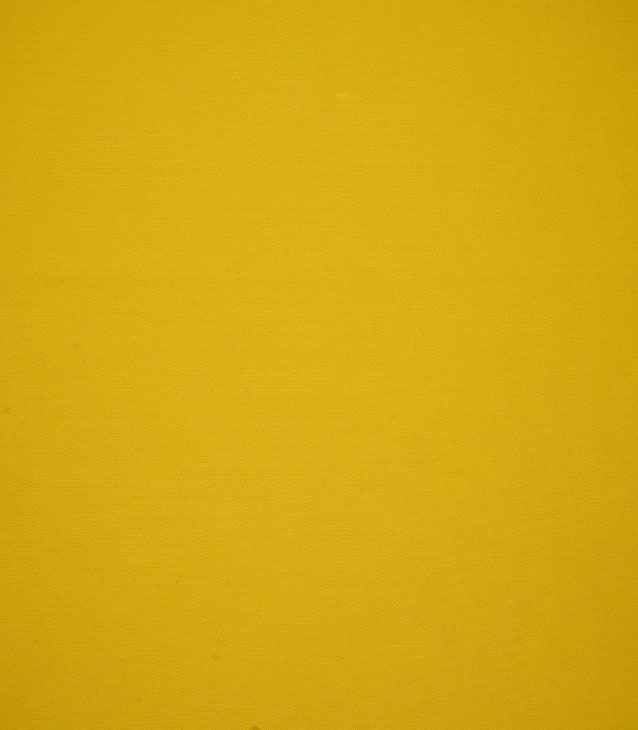 Interlock Weft Knitted FabricFor exclusive deals and latest offers, sign up by entering your email address below.View Product →
For buyers who are not working in twill at all, the practical comparison is still useful. An interlock or double-knit is judged on needle lines and barré rather than broken picks; a scuba is judged on surface consistency and shrinkage after lamination; a warp-knitted mesh is judged on hole regularity and course alignment. Each has its own vocabulary, and each rewards the same early conversation between mill and buyer.
 Weft Knitted Scuba Fabric for Structured Fashion and SportswearSmooth, dense scuba with slight stretch and shape retention, useful when comparing knit constructions for polished fashion, sportswear or performance apparel.View Product →
If you are moving a programme from denim into a knit, or simply want an honest read on what is achievable in a given construction, send us the specification and the wash or finishing route. We would rather flag a risk before the beam is set than explain it after the container has sailed.
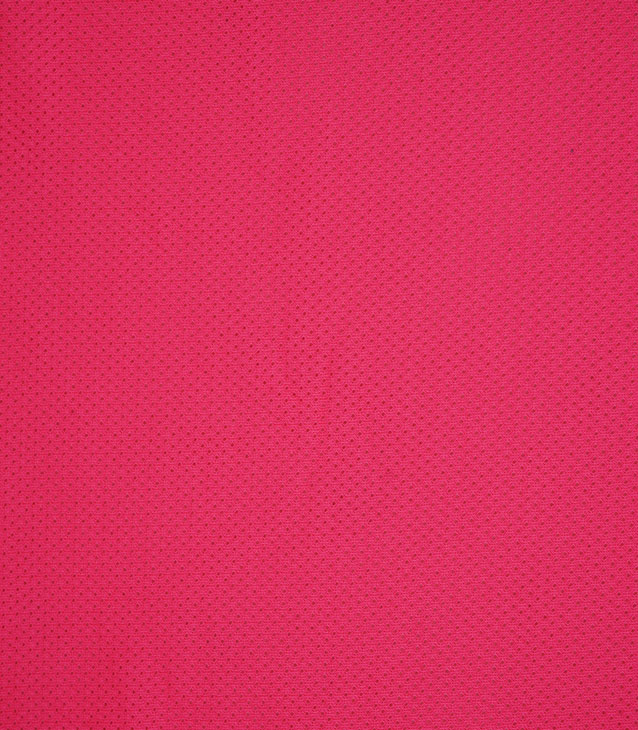 Warp Knitted Polyester Mesh Fabric for Breathable TextilesFine, stable polyester mesh with consistent openings and breathability, suited to sportswear, linings, protective covers and accessories; custom size, weight and finishing available.View Product →

27th floor , South building, 1358# Mingzhu North Road, Changxing County Zhejiang province, China

+86-13665757726

+86-0572-6228207

+86-0572-6228207


Copyright © ZHEJIANG QIDA TEXTILE CO., LTD. Rights Reserved. Activewear Fabric Suppliers Sportswear Fabric Manufacturers


 English
 中文简体